
Knowledge base
Short guides to our products: which standards apply, what to choose and how to supply your details.
Containers
Container numbers, BIC and size-type codes, CSC plates, markings and seals.
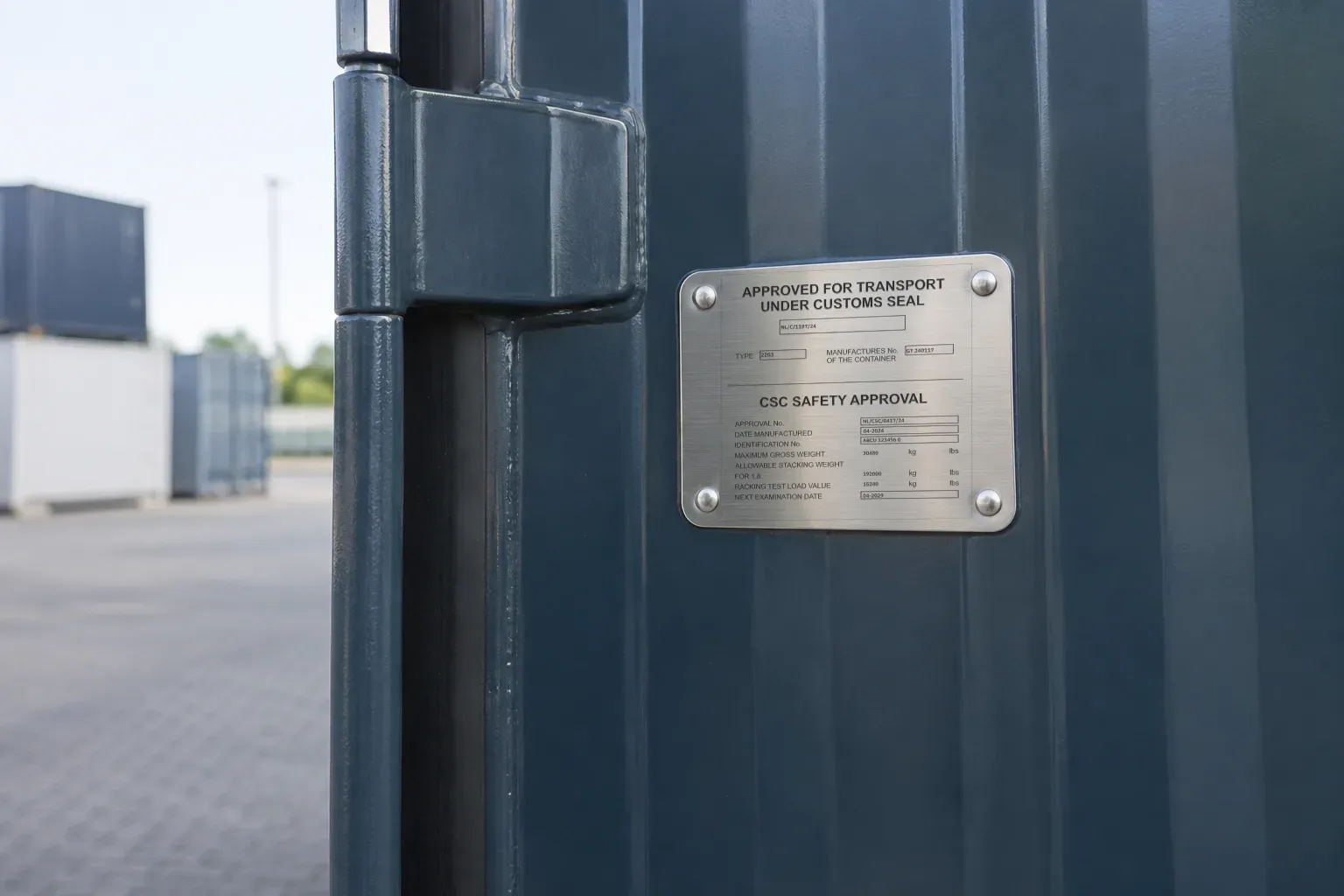
What is on a CSC plate?
CSC Safety Approval, date of manufacture, maximum gross mass, stacking load: what must be on the CSC data plate of a container, and how to supply the details.
Container number and check digit (ISO 6346)
Owner code, serial number and check digit: what each part of a container number means, how to calculate the check digit and what the size & type code is.

Container seals: bolt, cable or pull tight?
What is the difference between bolt seals, cable seals and pull tight seals, when do you choose which, and what does ISO 17712 (I, S and H) mean?

What is a BIC code and how do you apply for one?
What a BIC code is, who can apply for one from the Bureau International des Containers, how long the code is valid and what you put on the container afterwards.
Size-type codes explained
What the four characters of a size & type code mean, with a table for each character and an explanation of 22G1, 45G1 and 45R1.

Which markings must a container carry?
Which markings a container carries: container number, size & type code, maximum gross weight, tare, height mark and the CSC plate, and where they are placed.

IMDG markings on containers: placards and the marine pollutant mark
Which markings a container with dangerous goods needs for sea transport: placards of at least 250 × 250 mm and the environmental mark.
Height and weight labels and container logos: what else do you need?
How to choose and request height and weight labels, your own container logo, container sets and warning stickers: sizes, colours to suit the container and what to supply.
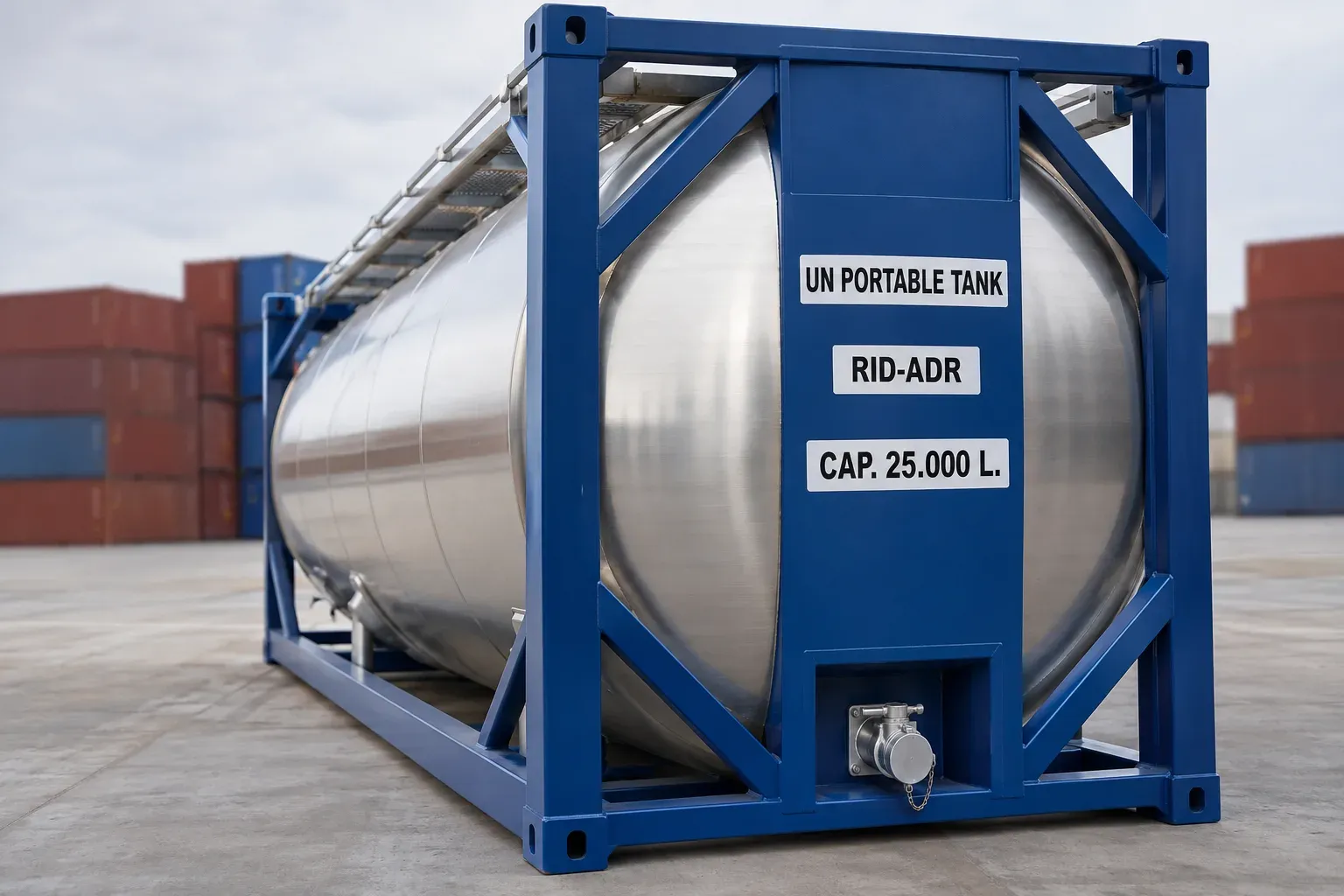
ISO stickers and markings on tank containers
Tank container markings explained: UN plate, RID-ADR, AAR 600, ACEP, IMO 1, MGW and TARE, CAP. and warning stickers. With the sizes and colours we supply.
Dangerous goods and transport
Orange ADR plates, GHS pictograms and contour marking for trucks.
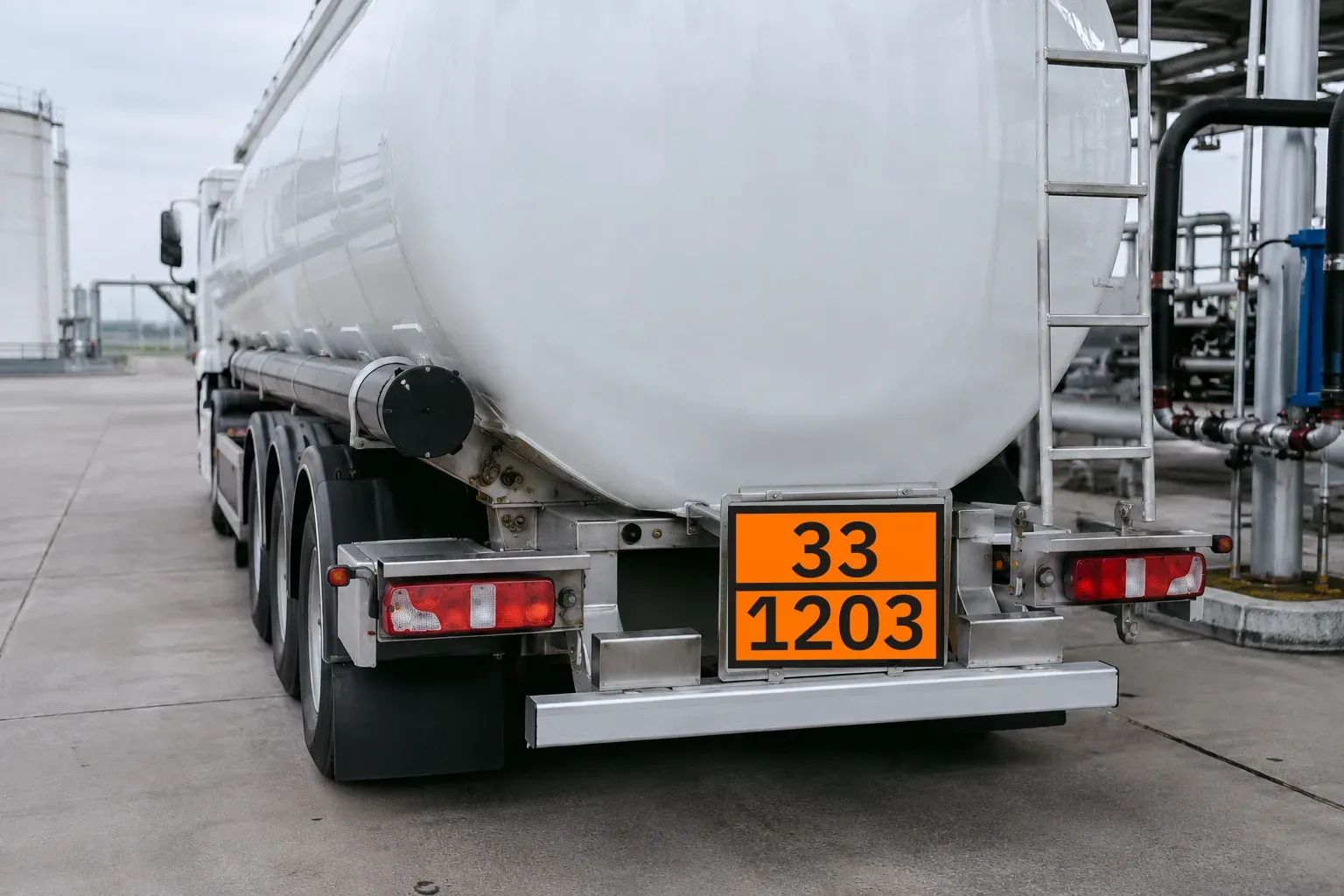
The orange ADR plate: what do the Kemler numbers mean?
What is on the orange plate of a tanker? An explanation of the hazard identification number (Kemler number) and the UN number, with examples such as 33 / 1203 for petrol.
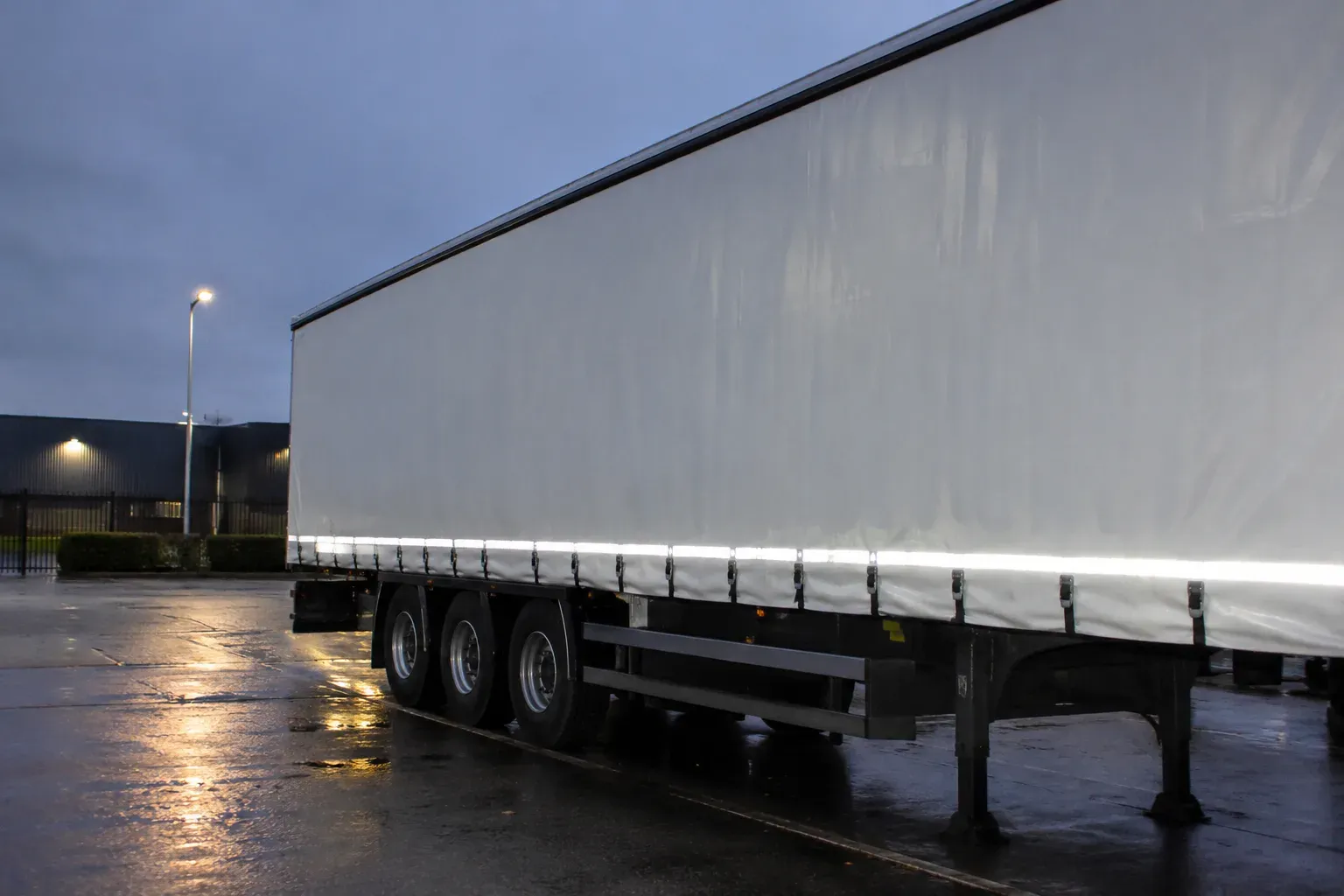
Contour marking for trucks and trailers (ECE 104)
Which vehicles need contour marking, what is the difference between contour and line marking, which colours are allowed and when do you choose Rigid or Curtain?

GHS pictograms: the nine symbols and what a label must show
The nine GHS pictograms explained, what the CLP Regulation requires on the label of a hazardous substance and what changes on 1 January 2027.
Safety and plant marking
Safety signs, pipe colours, machine labels, lockout and valve tags and inspection stickers.
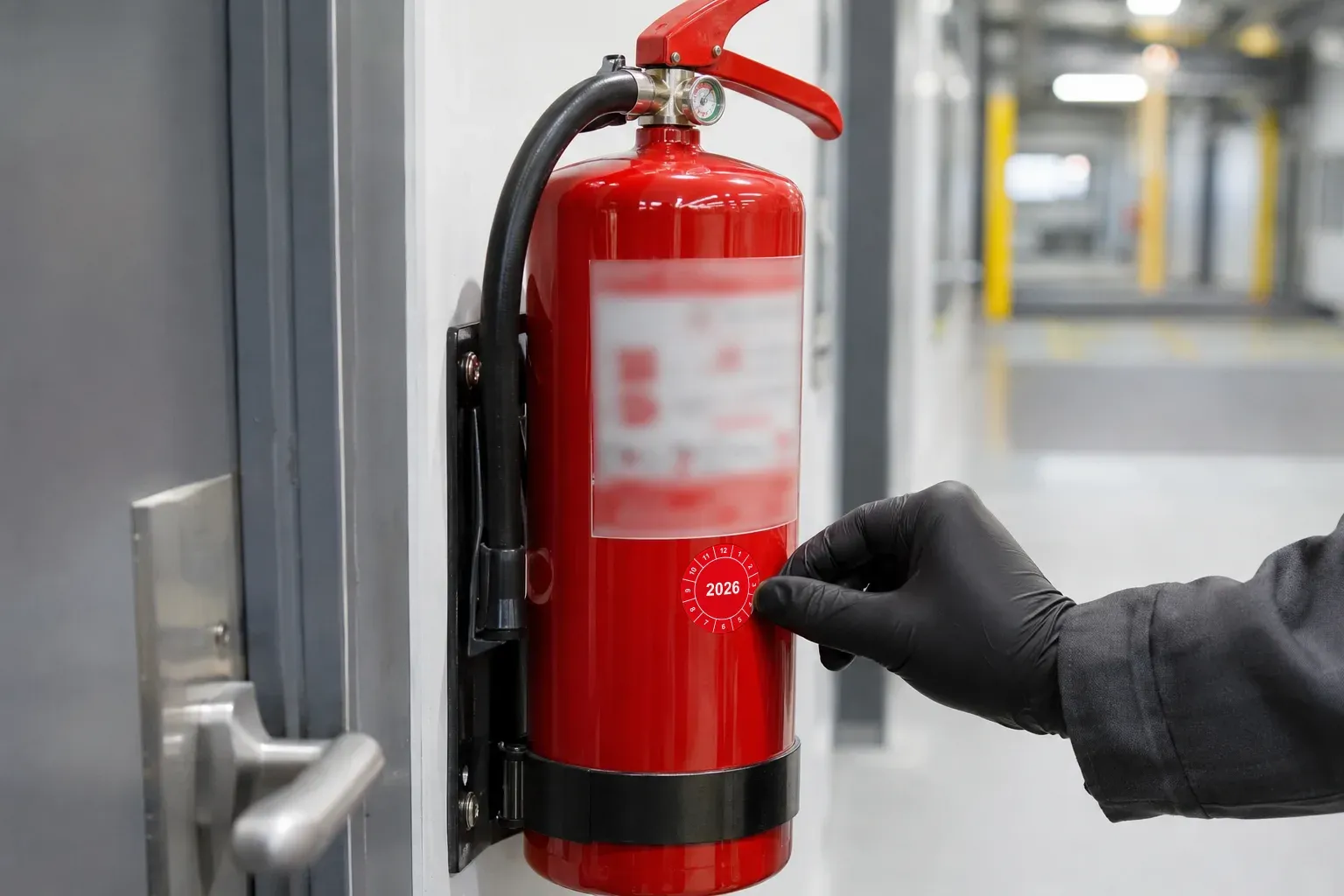
Which inspection sticker do I need?
Approved, rejected or next inspection date: how to choose the right inspection sticker for electrical equipment, emergency lighting, fire extinguishers and VCA equipment.
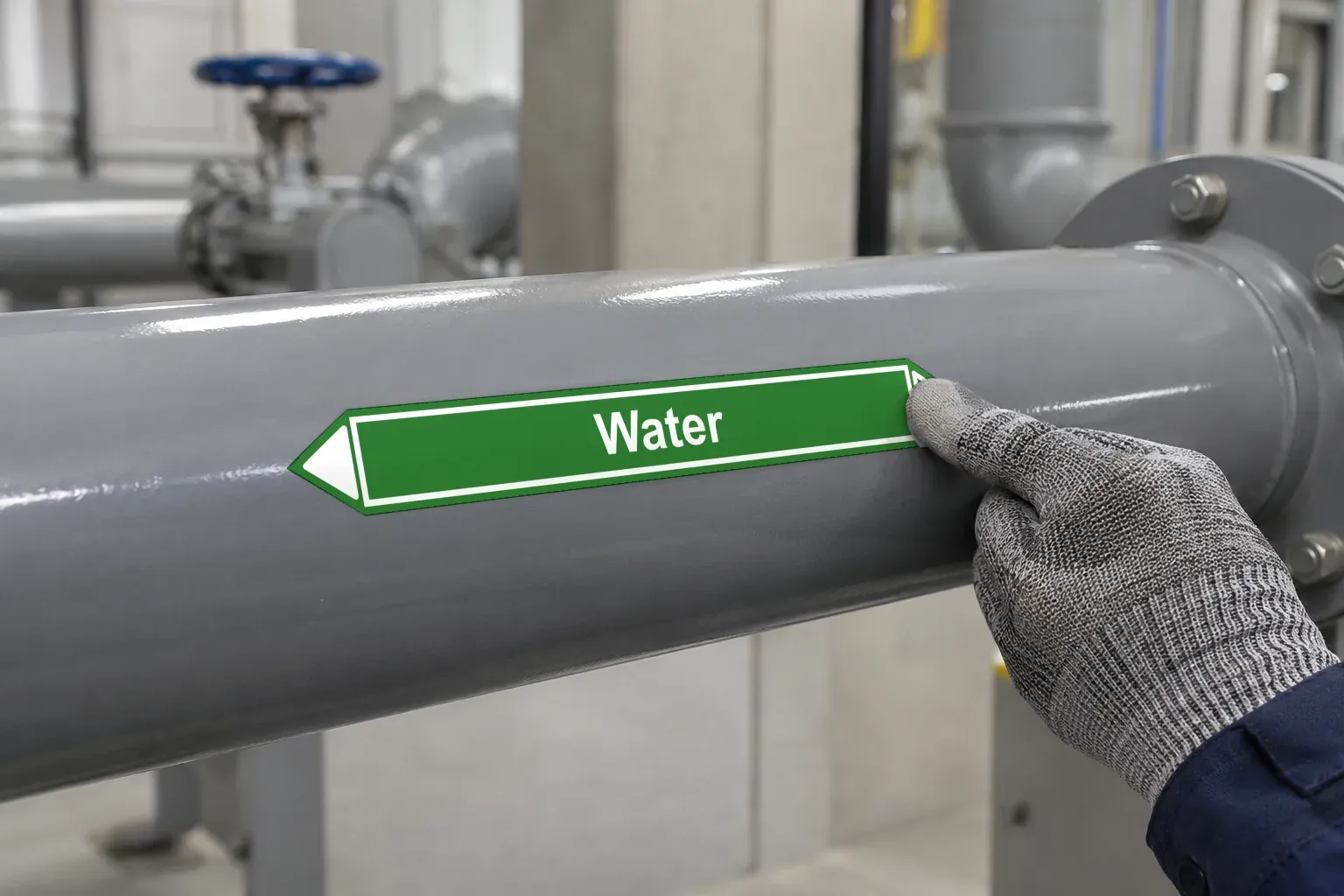
NEN 3050: colours for pipes
Water green, steam grey, gas yellow, air blue: an overview of the NEN 3050 colours for pipe markers, and the difference from ISO 20560 for acids.
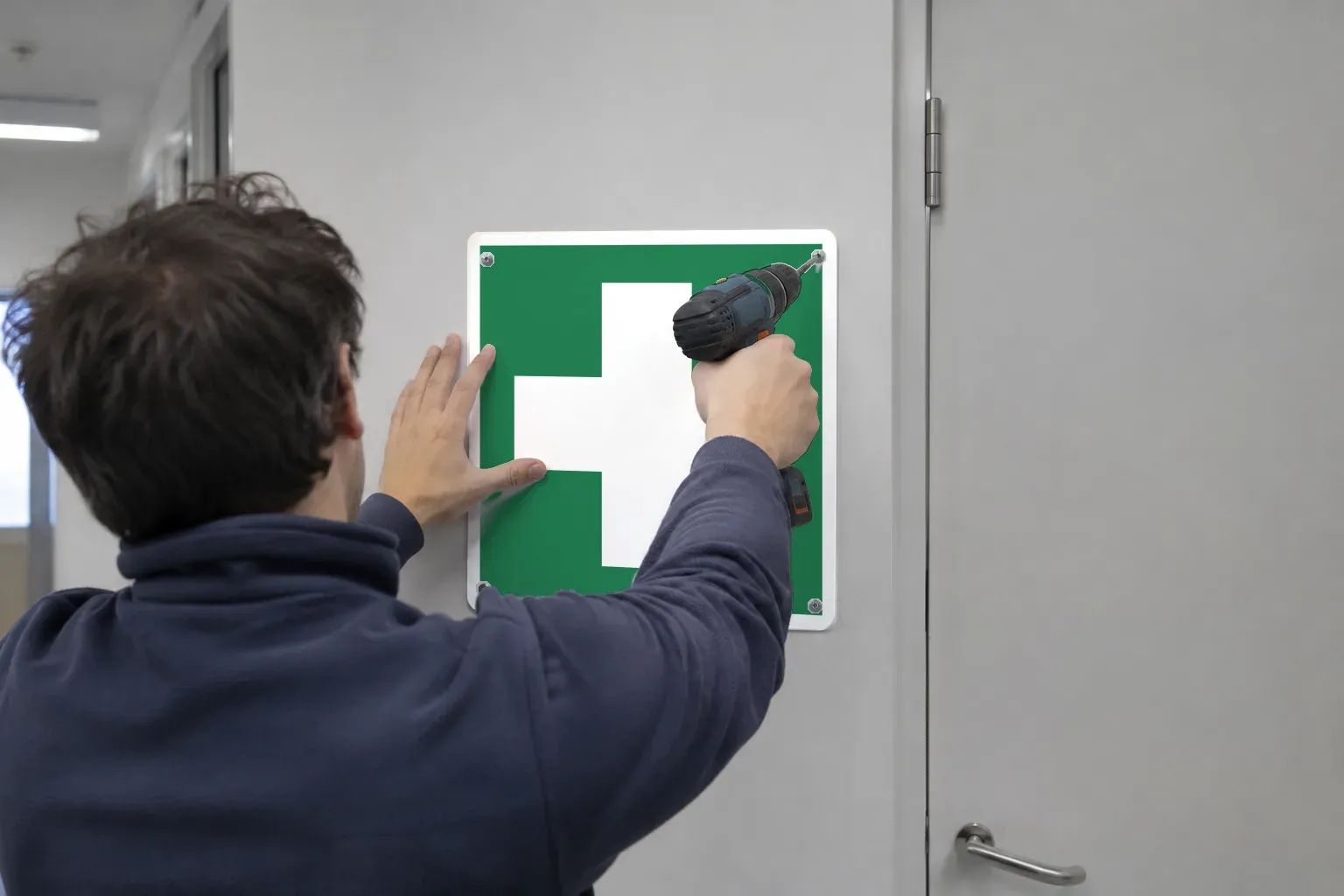
ISO 7010 sign or sticker: sizes and materials
Sticker or aluminium sign, 100, 200 or 300 mm: how to choose the right ISO 7010 safety pictogram for indoors, outdoors and on machines.
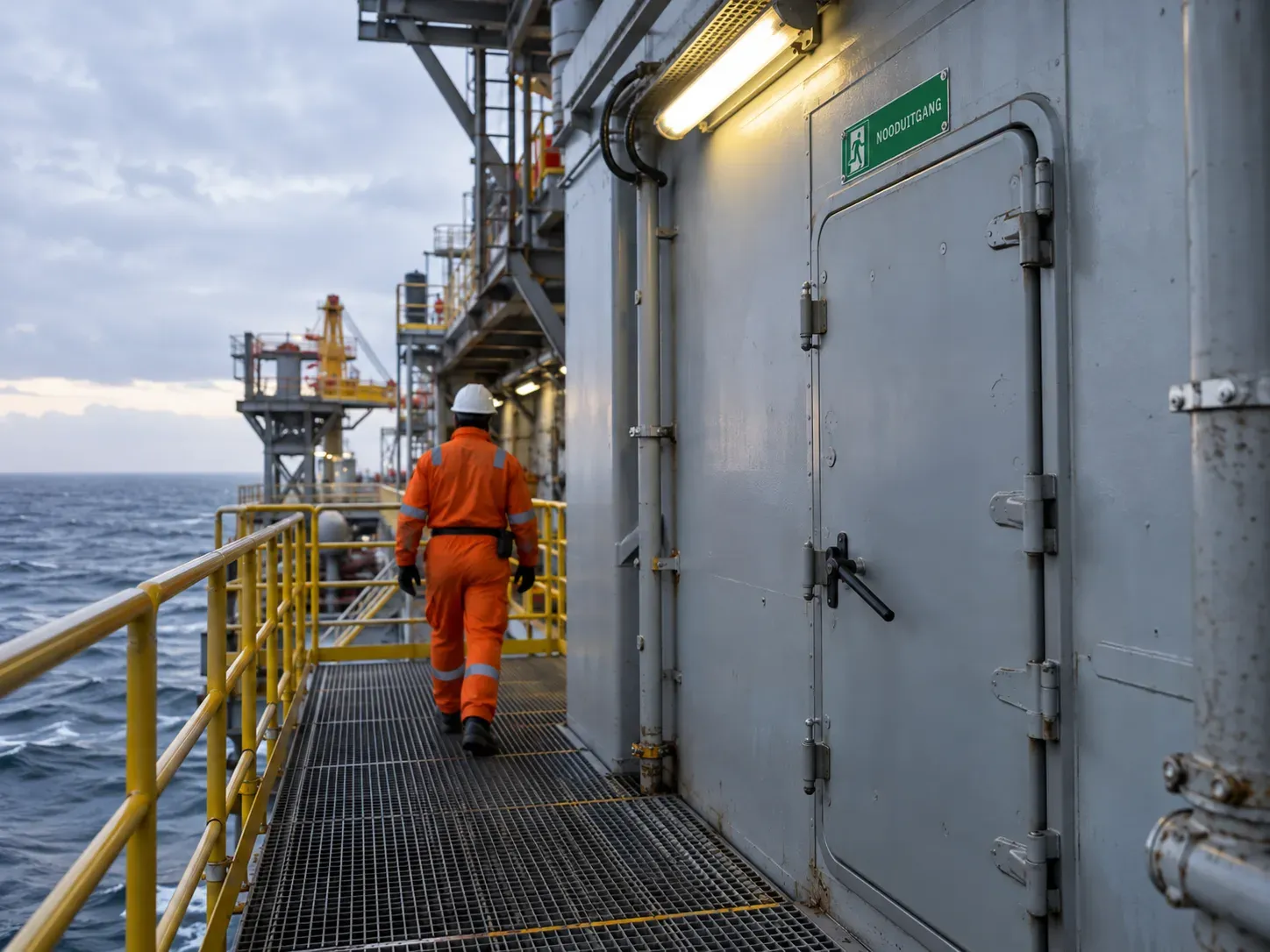
Machine safety labels: ISO 3864-2 or ANSI Z535?
What ISO 3864-2 and ANSI Z535.4 describe for safety labels on machines, how the signal words and colours differ and what the European and American rules themselves require.

Valve tags and supplying a tag list
What to specify for valve tags and cable markers: tag numbers, material, fixing with wire or cable tie, and a tag list in XLSX or CSV that we can use directly.
Lockout-tagout: what do you put on a lockout tag?
What the Dutch rules require for maintenance on machines, what requirements OSHA sets for a tagout tag, and which lockout and warning tags we engrave.
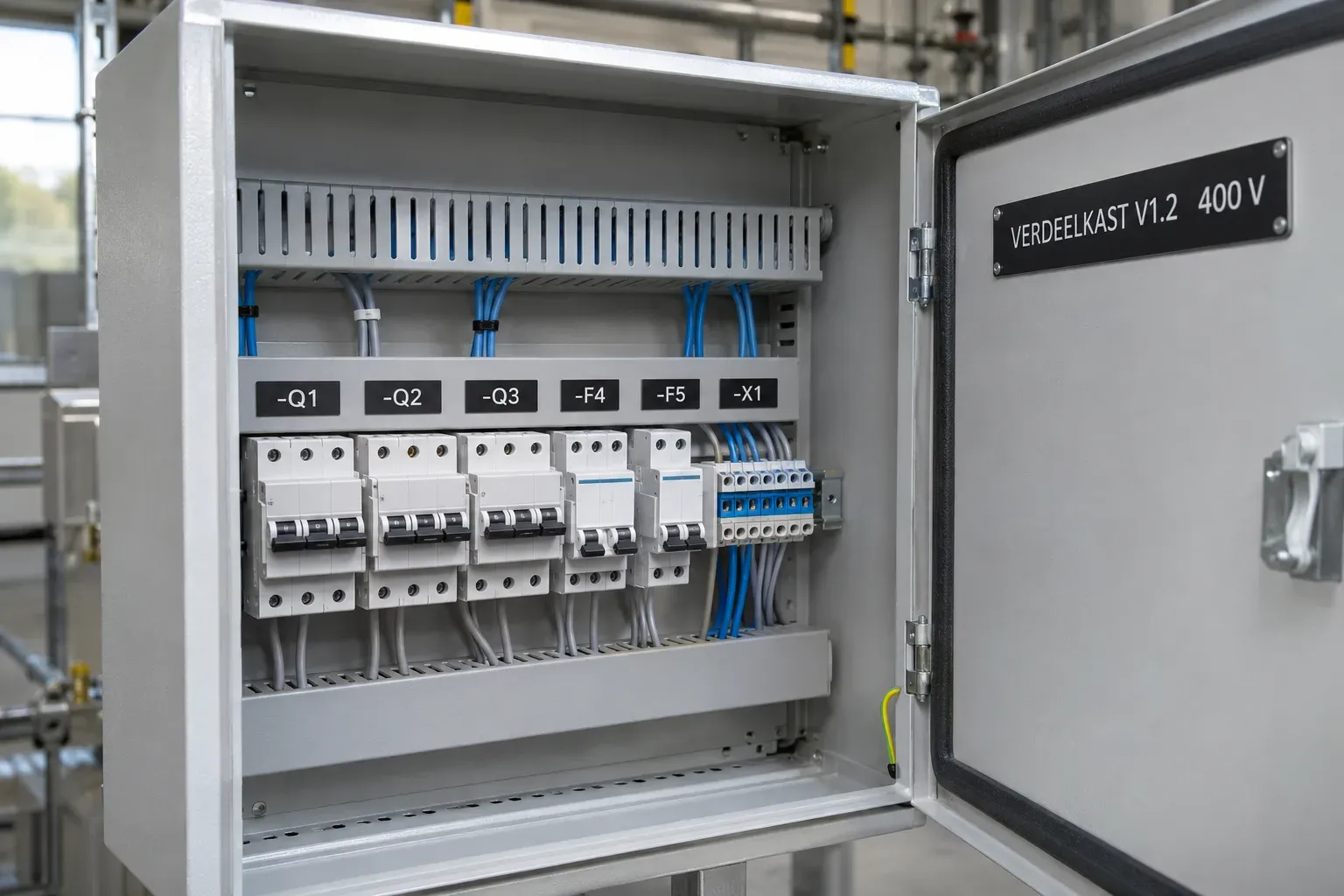
Marking control cabinets: circuits, components and warning labels
What to mark on a control cabinet and how to supply the details: front panels, component identification plates, emergency stop plates and warning signs in engraving laminate, aluminium or stainless steel.
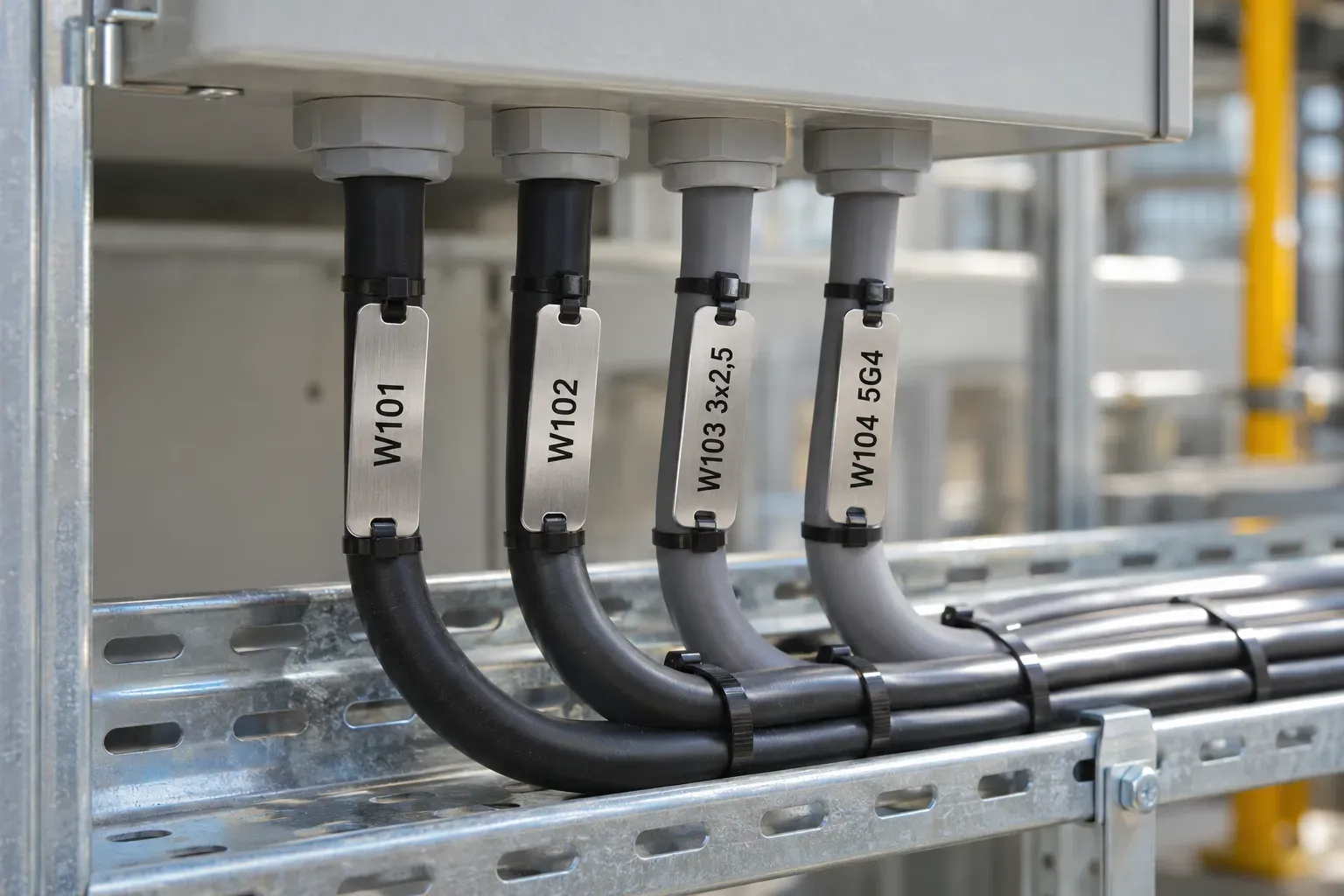
Marking cables: cable markers, cable tags and supplying a cable list
Cable markers and tags in stainless steel, aluminium or engraving laminate: size, fixing with cable ties or wire, and an XLSX or CSV cable list we can use directly.

Skid plates and tag plates: wording, size and fixing
Skid plates in stainless steel 316L or 304 with wording such as Manhole, Safety Valve and Fill liquid, engraved black or stencil cut, and custom tag plates in stainless steel 316L. What to specify.
Blind spot stickers in France ("angles morts")
Heavy vehicles in France must carry blind spot signs. What the French rule says about vehicles, positioning and design, and which stickers we supply for lorries and buses.
Engraving, stickers and lettering
Choosing a material, rating plates, supplying files, applying stickers and vehicle lettering.

Supplying files for engraving and stickers
Which files you can supply, why a vector file is preferred and what you need for numbering: how your logo or drawing ends up right on a plate or sticker.
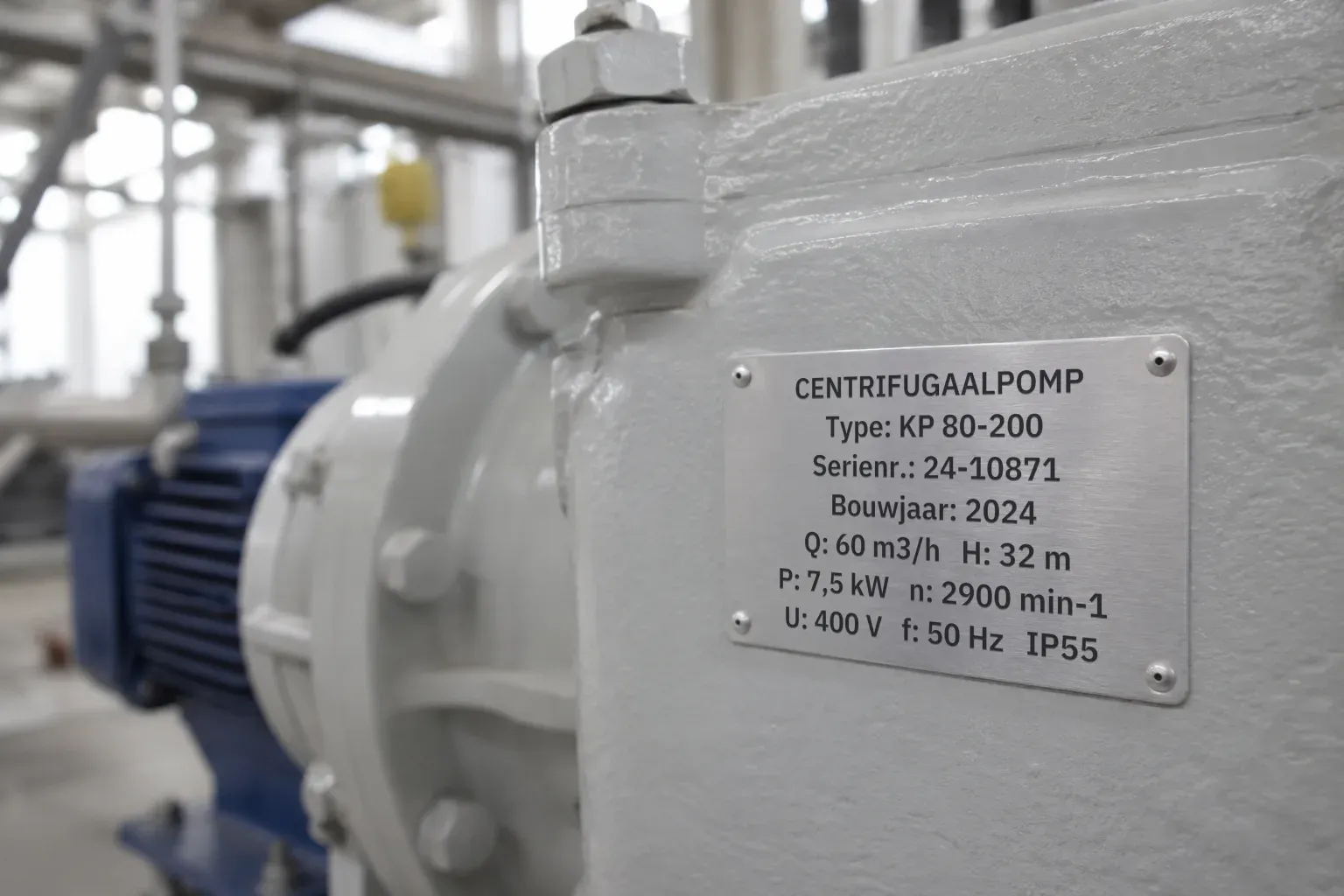
What must be on the type plate of a machine?
The minimum details on a type plate under the Machinery Directive, what changes with the Machinery Regulation, and which type plates we make.
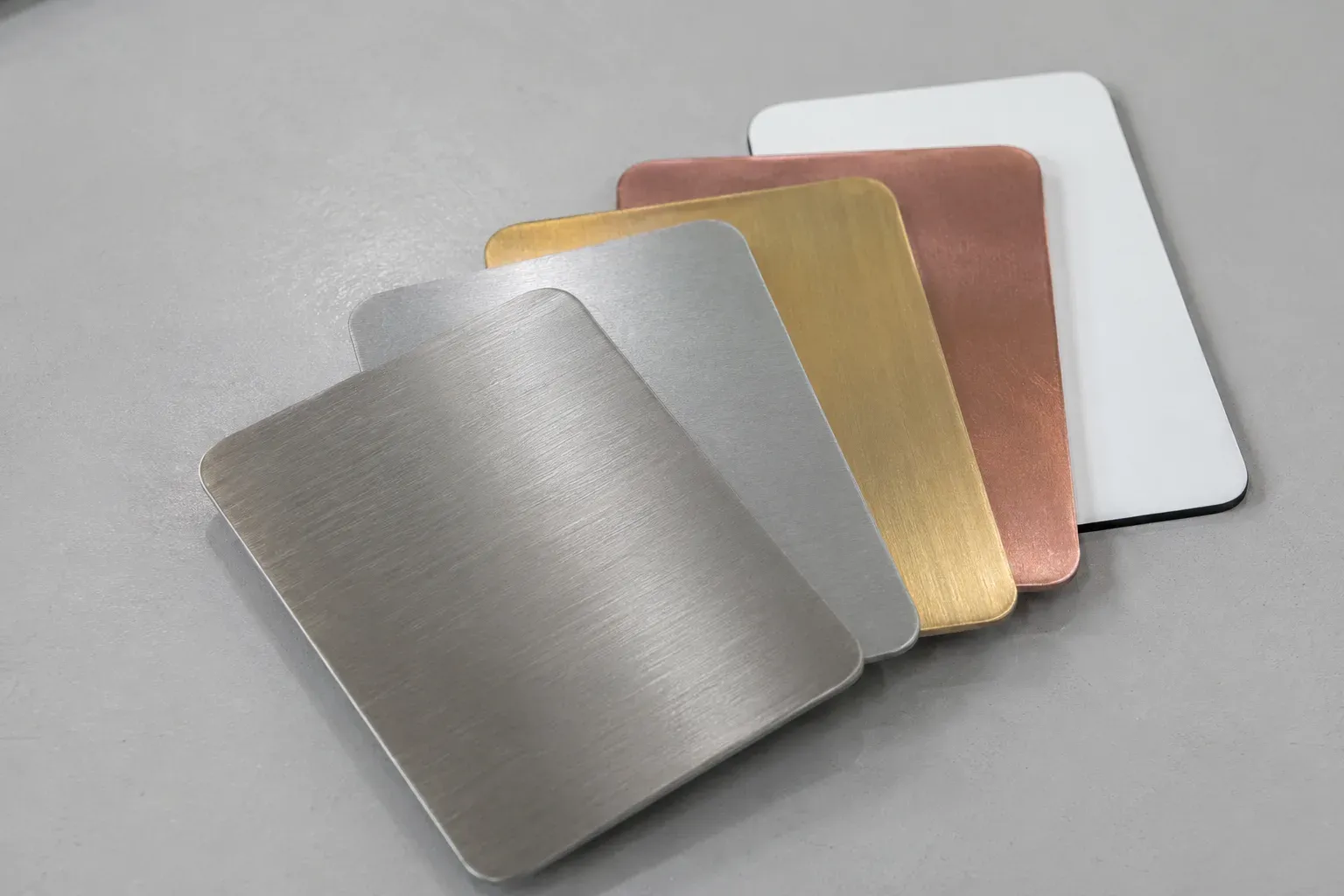
Which material for your engraving?
Stainless steel, aluminium, brass, copper or engraving laminate: what to look for when choosing a material for an engraved plate, indoors or outdoors.

Applying stickers properly
Clean, dry and free of grease, from +10 °C: how to apply pipe markers and container decals properly, with the temperatures for the film.
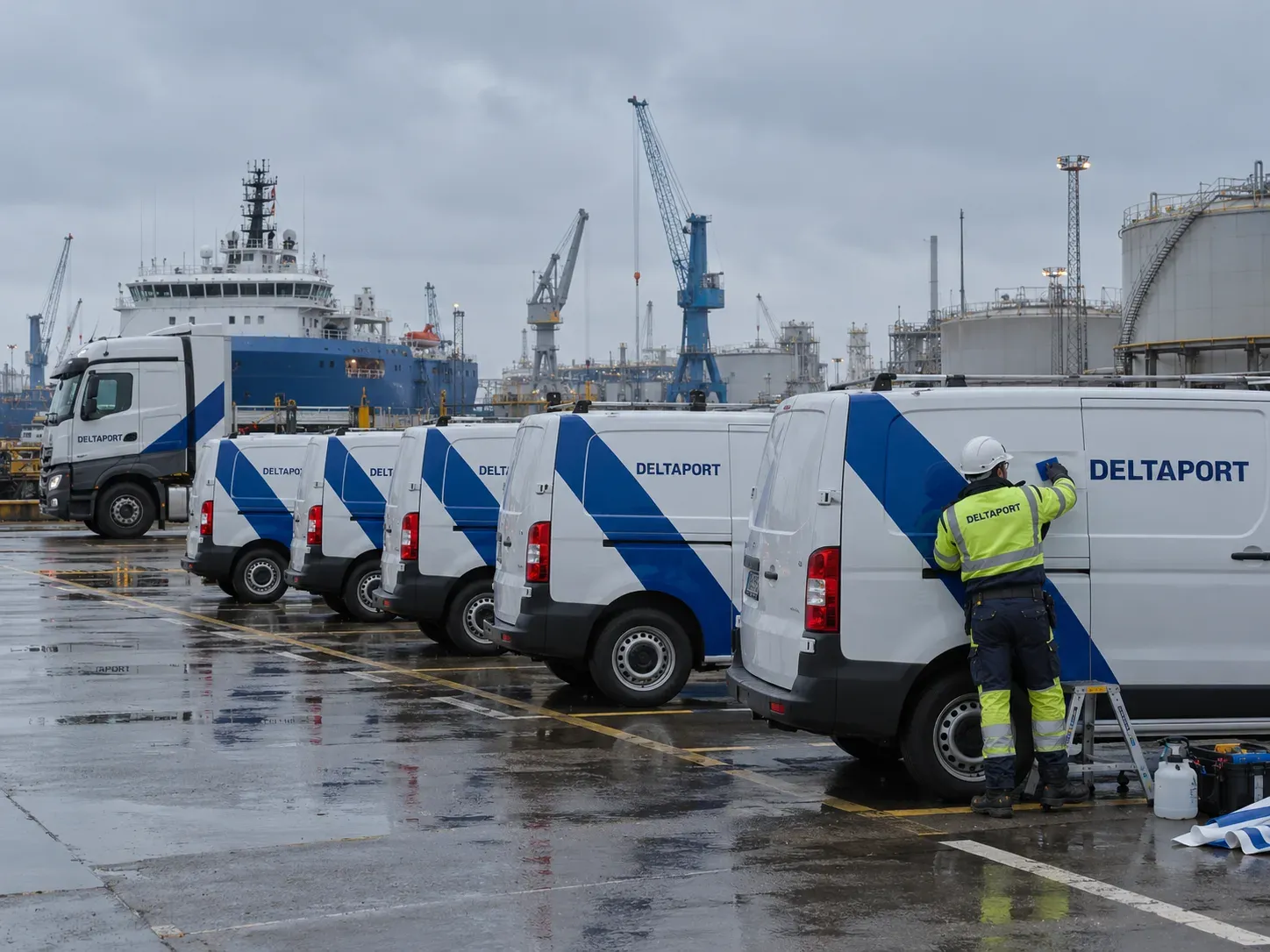
How long does vehicle lettering last?
What determines the lifespan of lettering on commercial vehicles and trucks: substrate, climate, maintenance and the position on the vehicle.
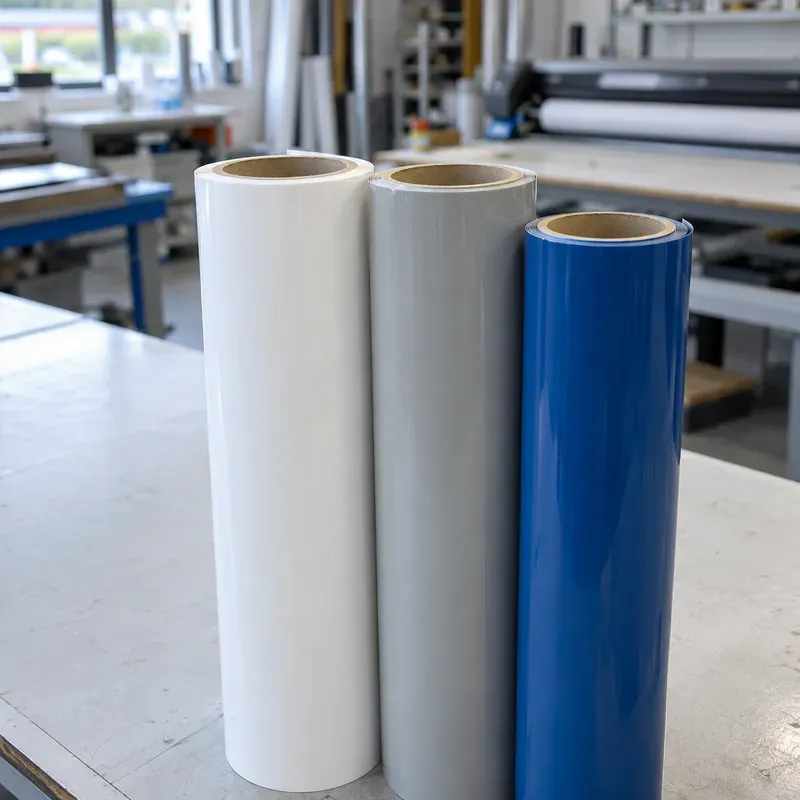
Inventory stickers and tamper-evident stickers
Standard or destructible vinyl for inventory and asset stickers: what the difference is, the technical values and when the sticker must not be movable.
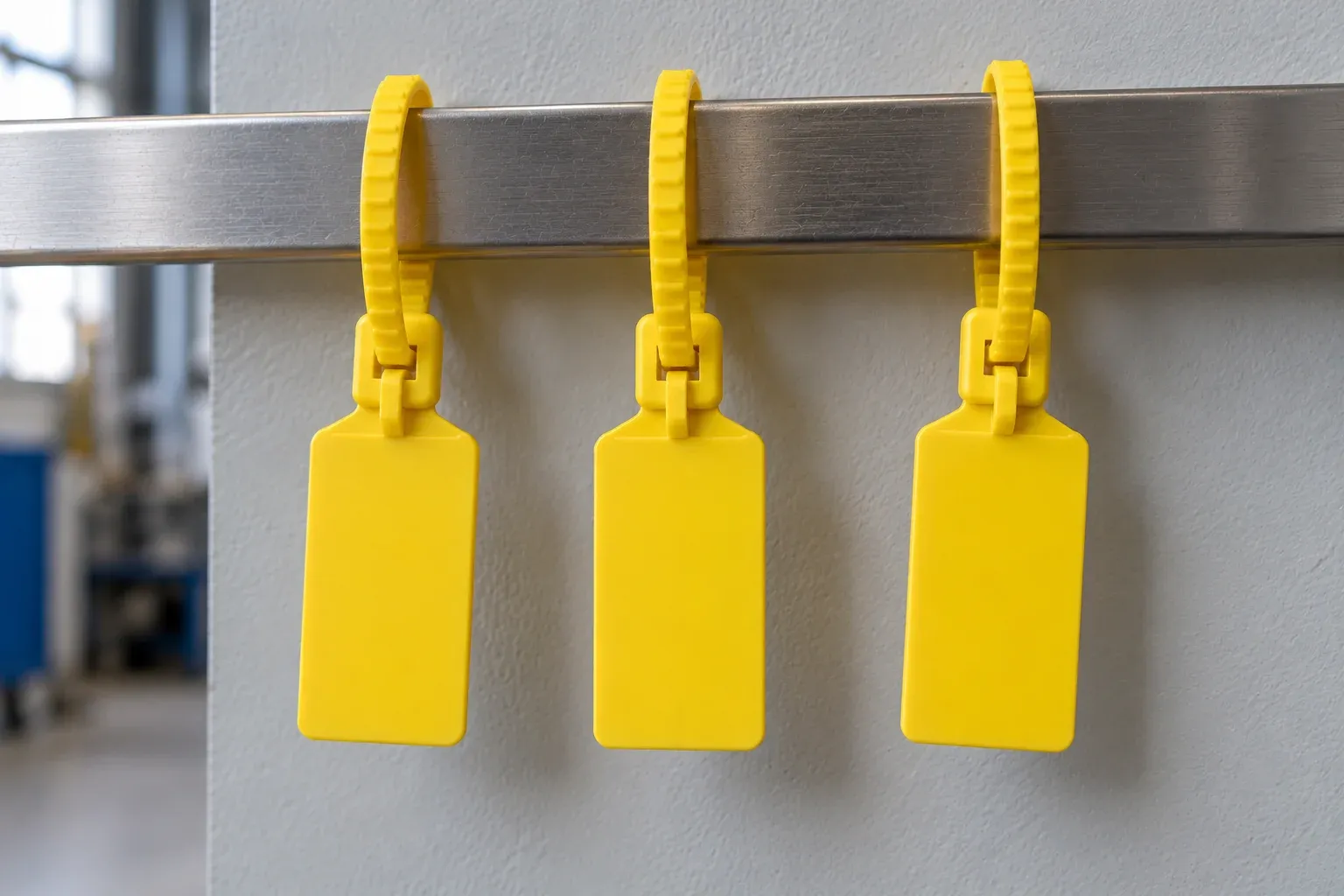
Number series and serial numbers: sequential numbering on labels and plates
How to specify a sequential series for type plates, cable markers, inventory stickers and seals: prefix, start number, quantity, leading zeros and individual digits and letters.
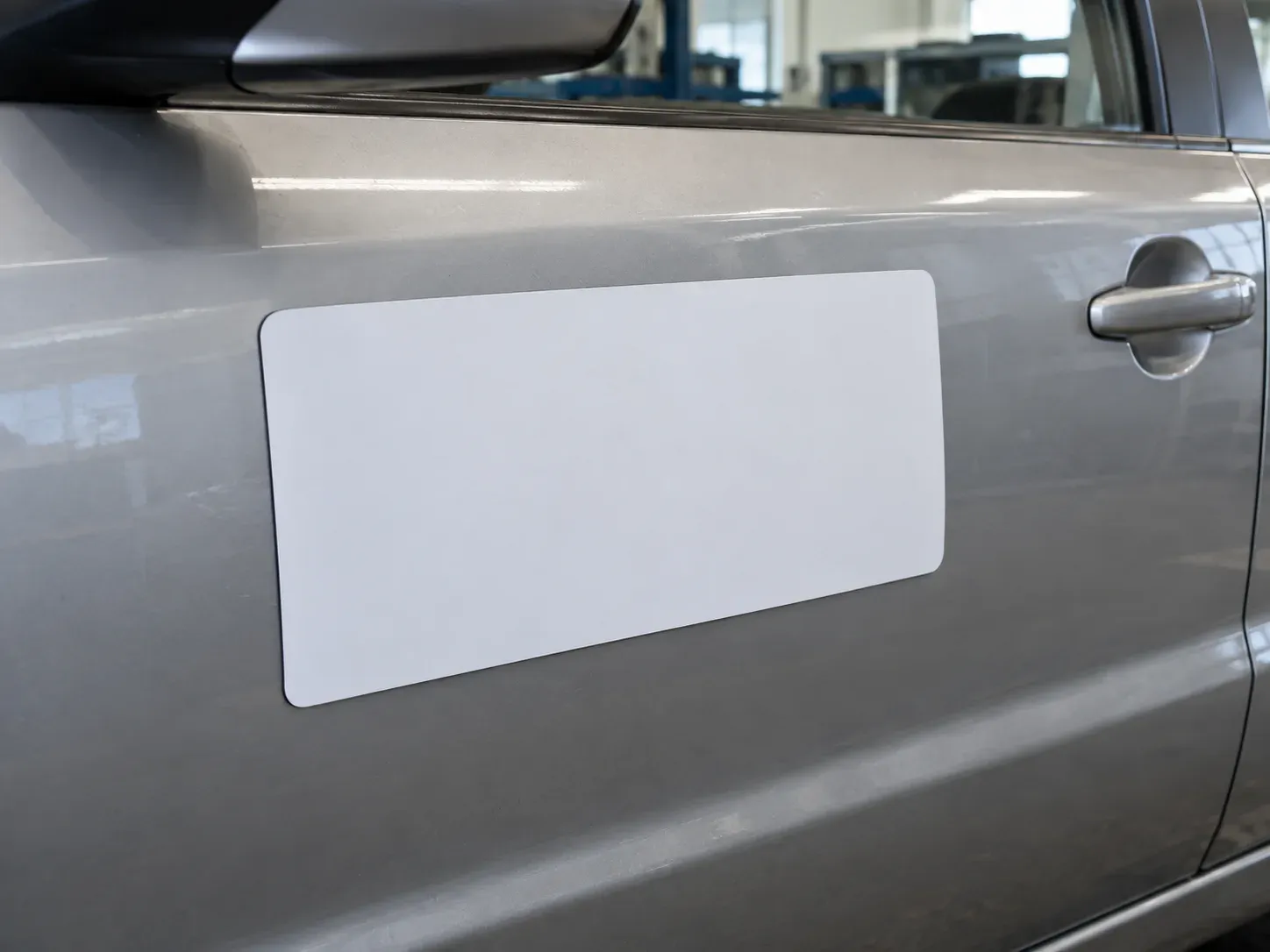
Magnetic signs on company vehicles: what to consider
Where a magnetic sign can and cannot go, how to specify its size and text, and what to know about number plates, windows and care. Request a quote for a custom magnetic sign.
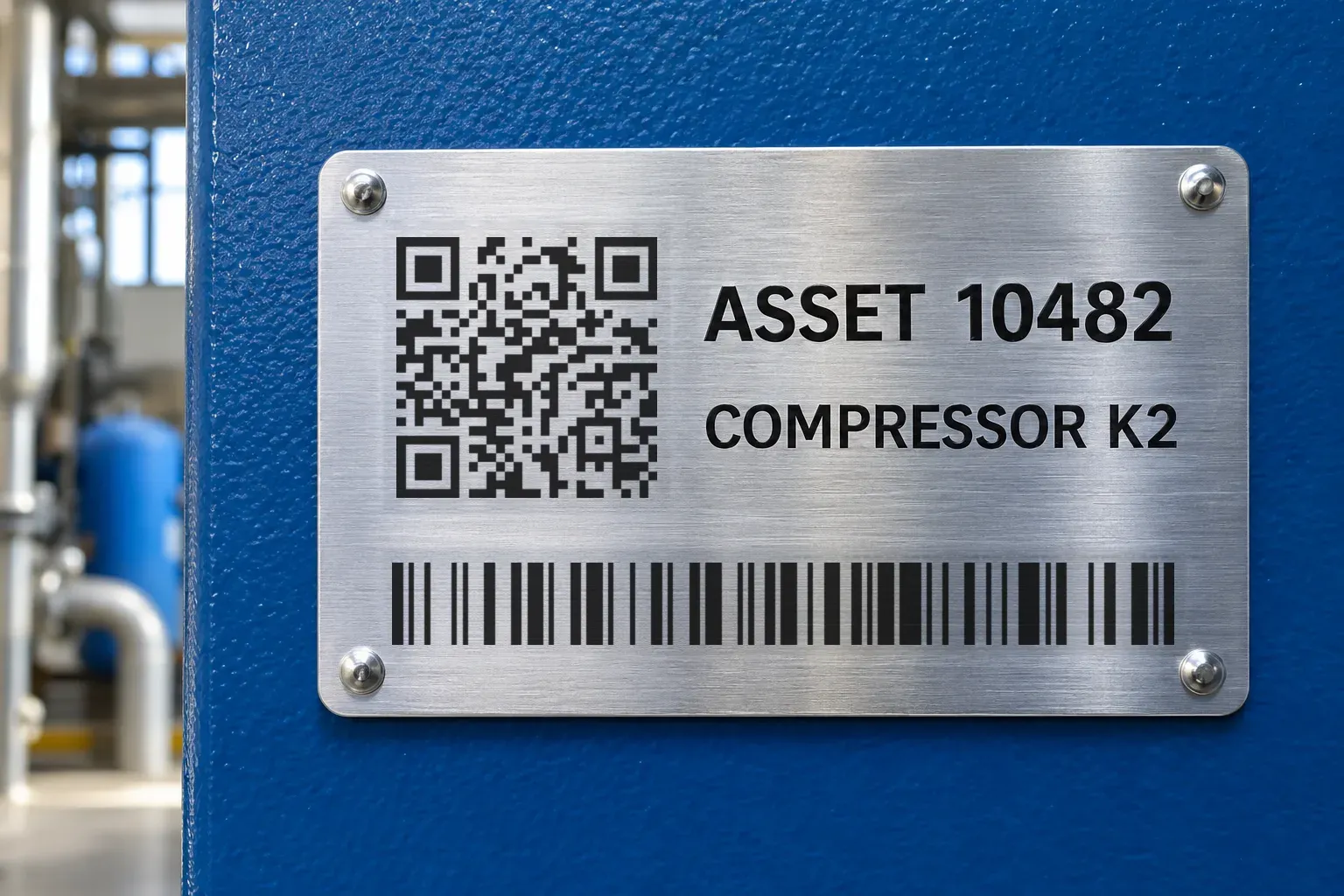
QR codes, barcodes and RFID on type plates and inventory labels
Choosing between QR codes, Data Matrix, barcodes and RFID on a type plate, cable marker or inventory sticker, and what to check so the code actually scans.

Laser cutting and steel to size: what is possible and how to supply your files
What we laser cut in stainless steel, aluminium and brass, the sheet size, which drawing to supply and when standard steel plates to size are sufficient.