The materials we engrave
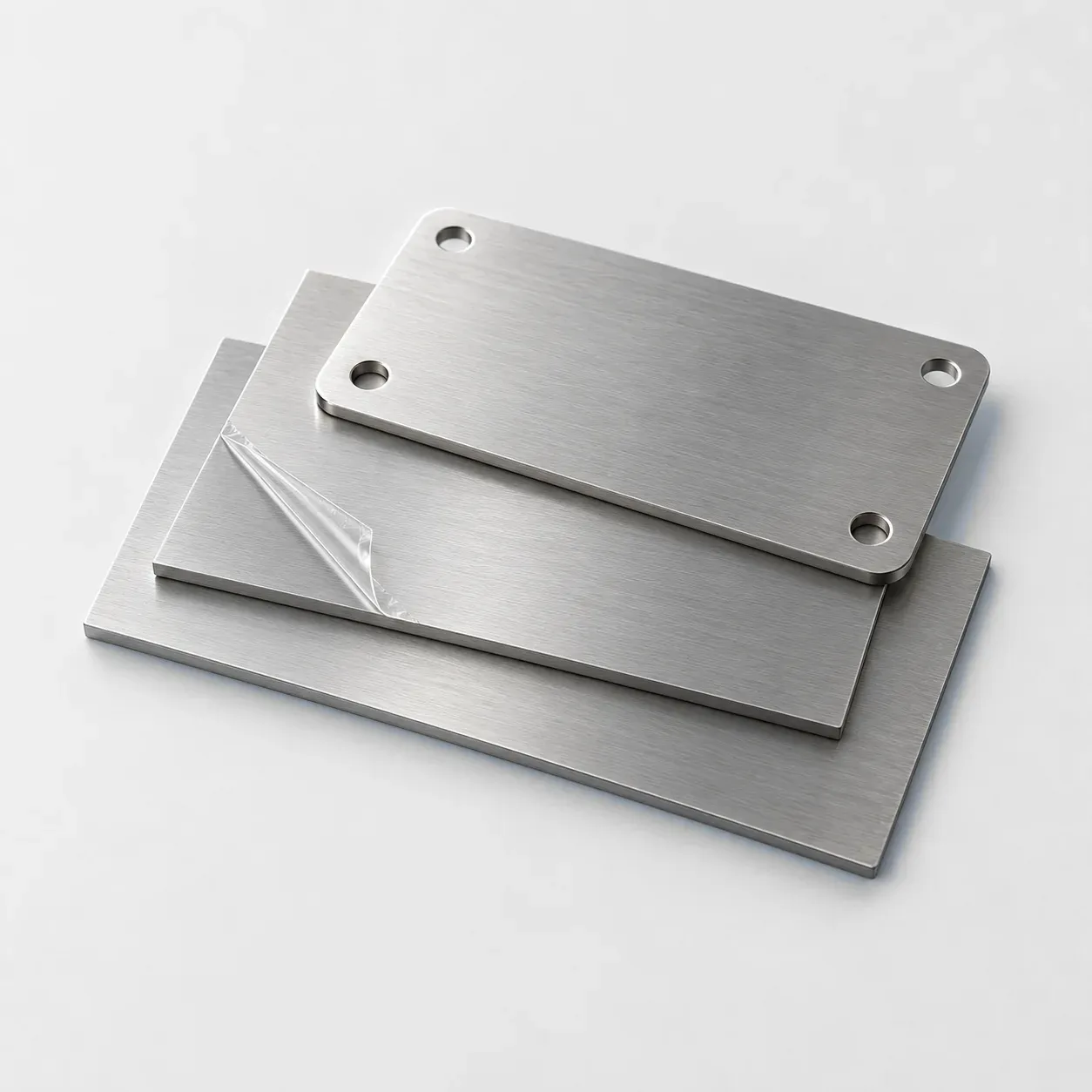
We engrave and cut plates in stainless steel, aluminium, brass, copper and plastic (engraving laminate).
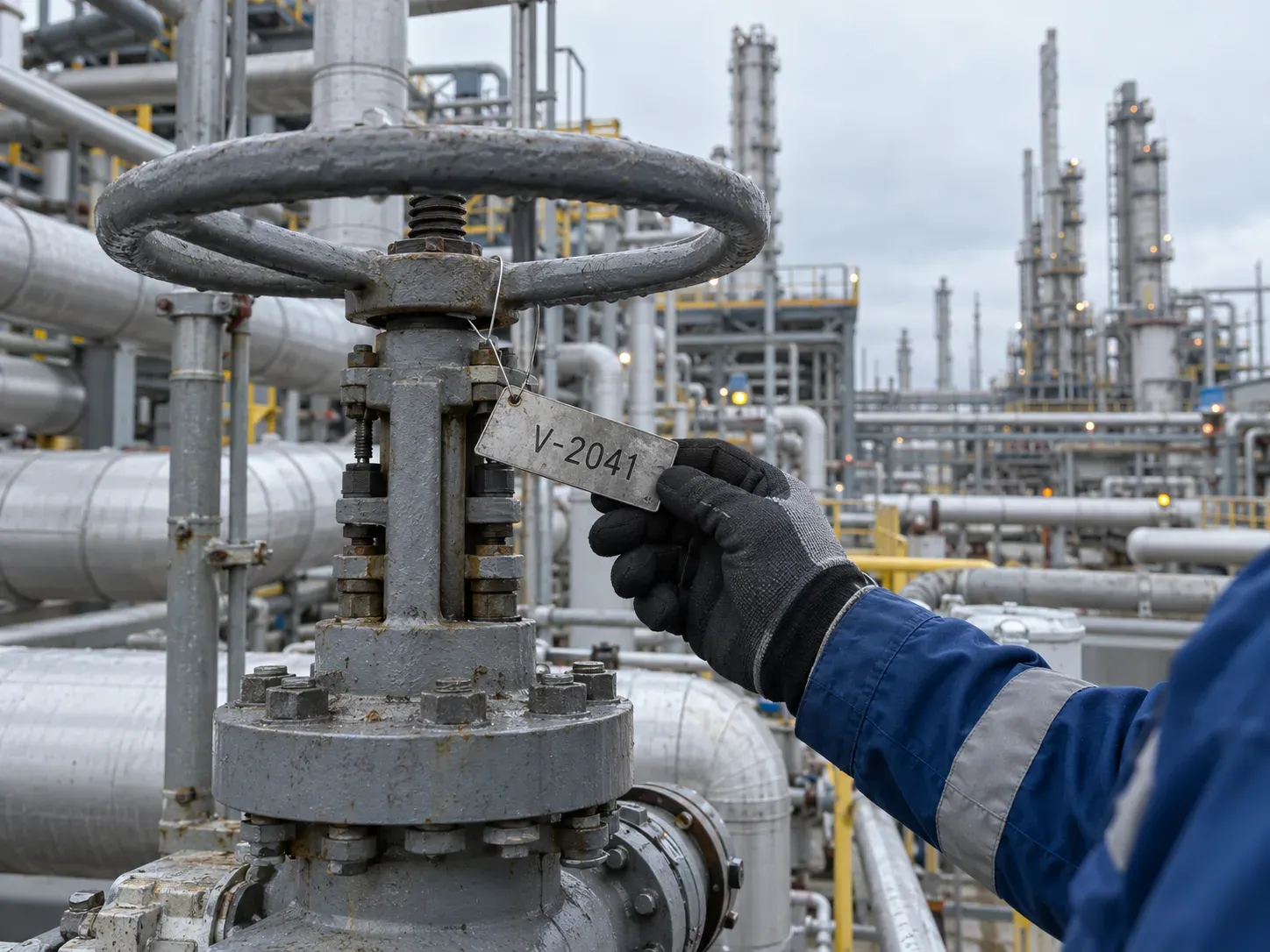
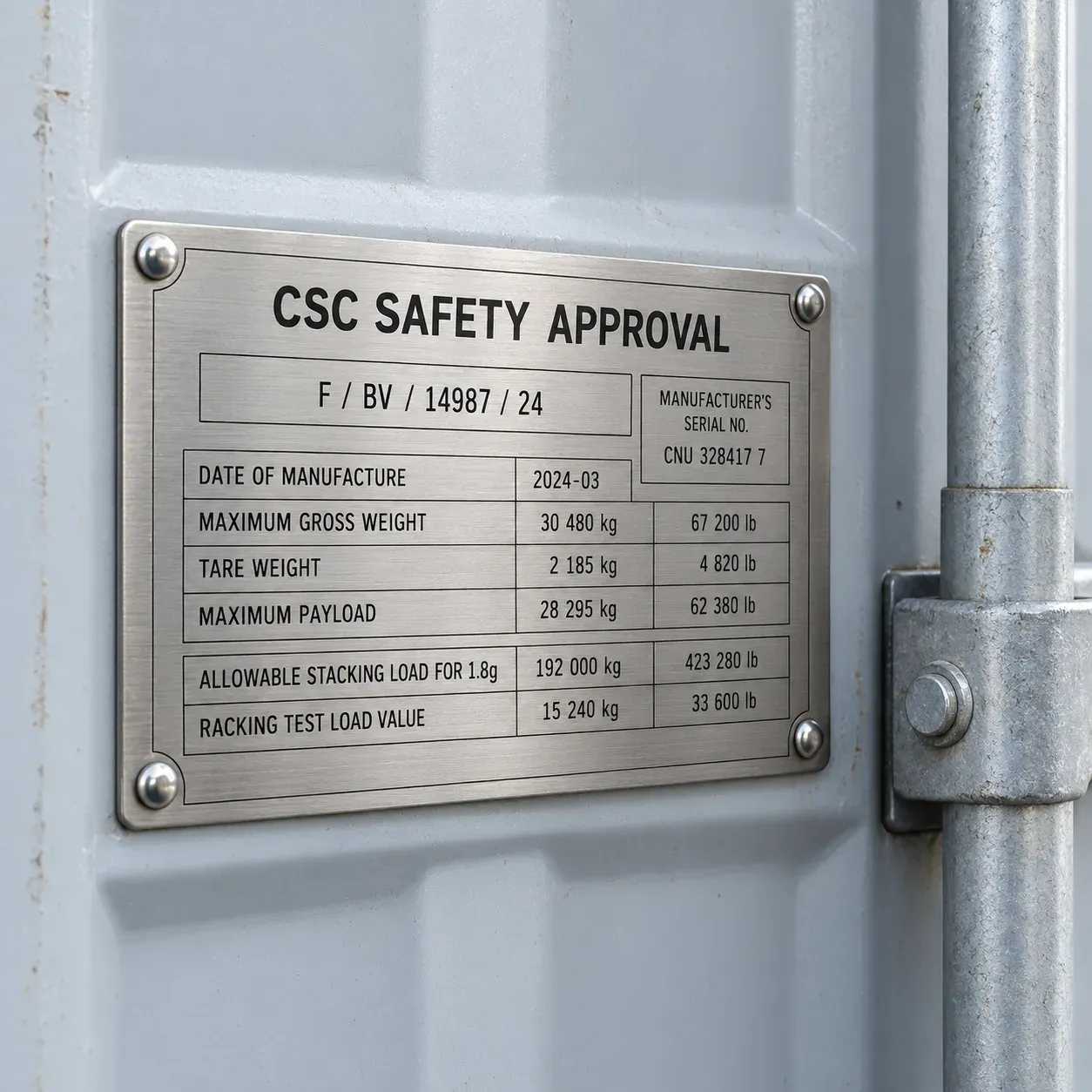
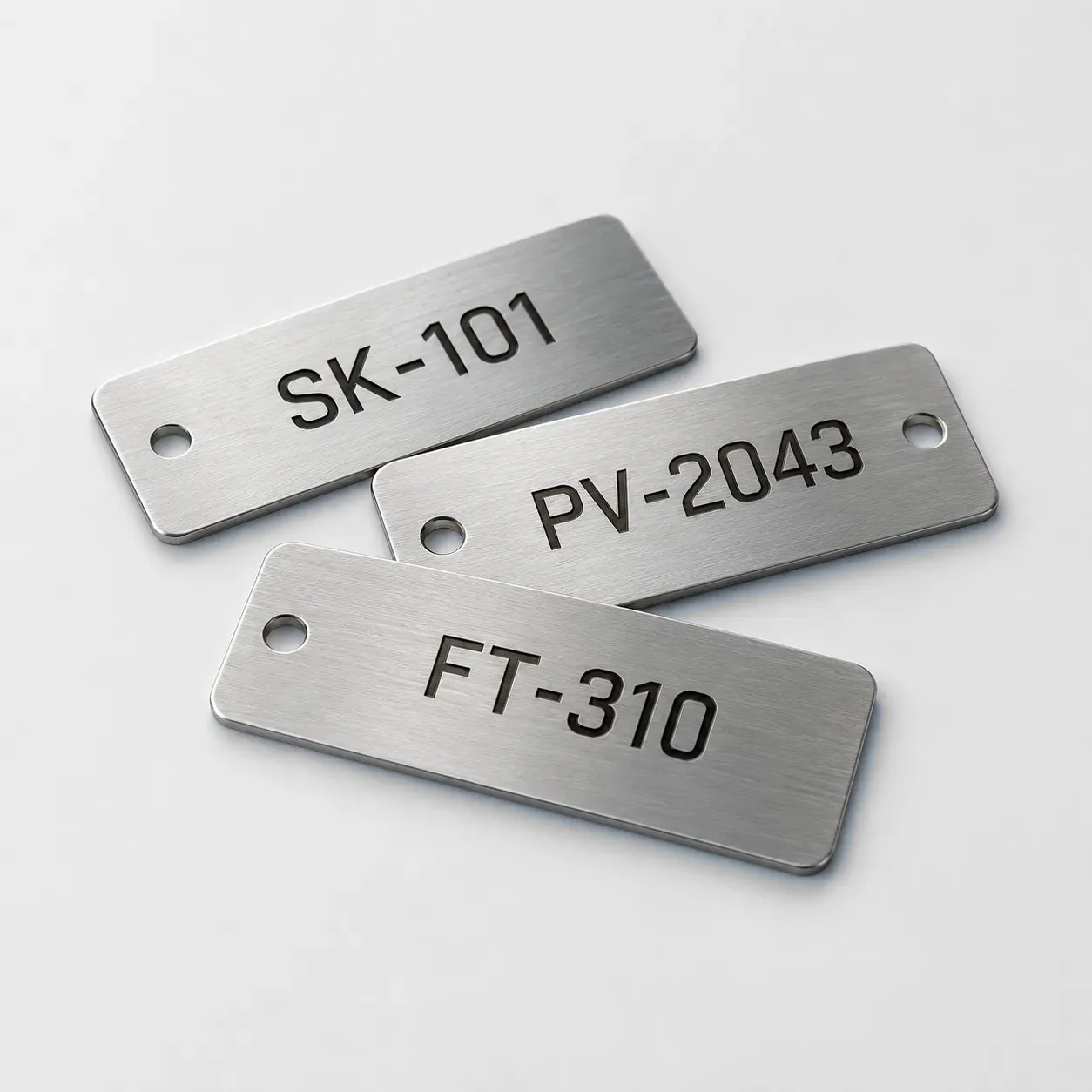
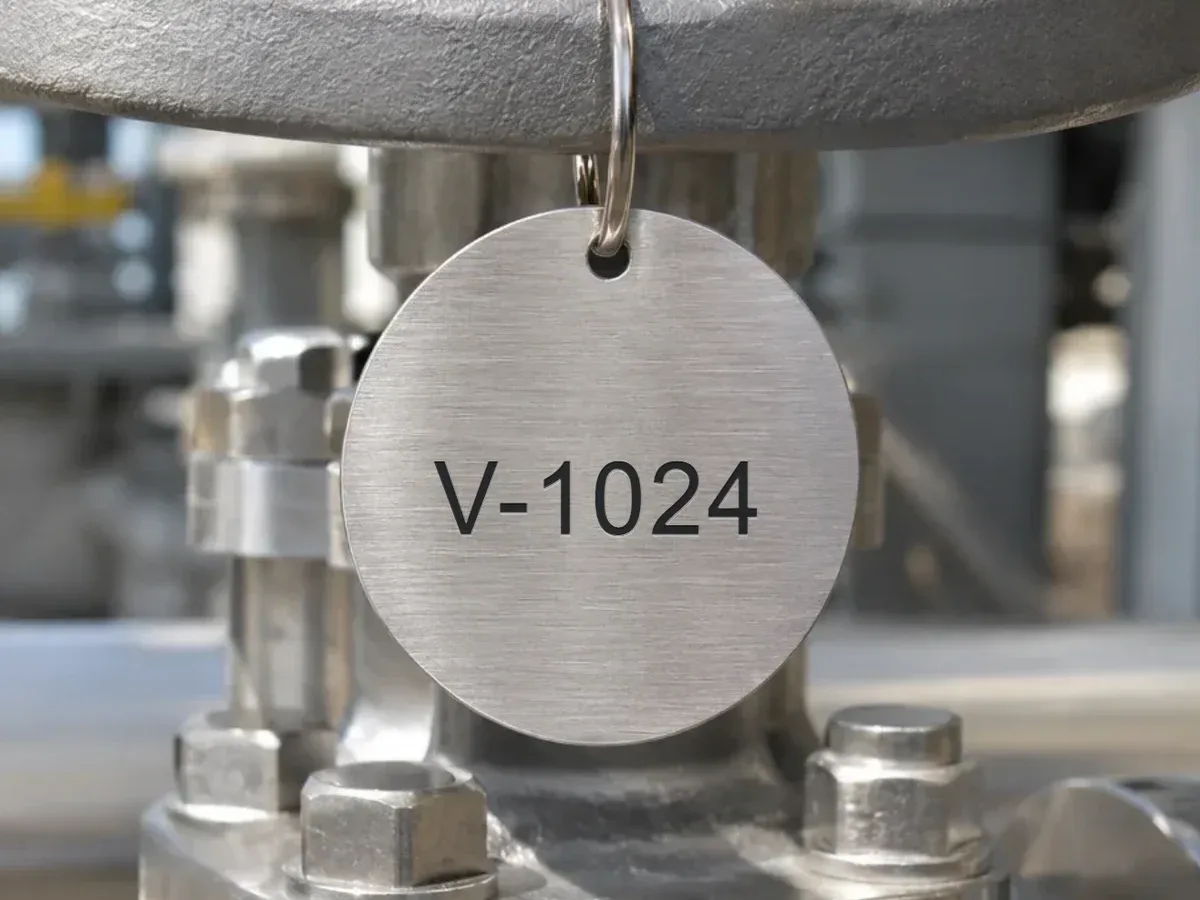
Stainless steel. We use this for our CSC data plates, SKID plates, steel to size and type plates. Stainless steel is a usual choice for plates that hang outdoors or in an industrial environment. For SKID plates you choose between stainless steel 316L (material number 1.4404) and 304. 316L contains molybdenum (about 2 to 2.5 %), 304 does not. Molybdenum makes stainless steel more resistant to pitting corrosion by chloride, for example salt. For salt or coastal conditions, 316L is therefore the usual choice.
Aluminium. This is light and is used for type plates and safety signs. On aluminium we can also engrave in colour and sublimate, that is print in full colour with a transfer press.
Brass and copper. These are metals with a warm colour, for custom engraved plates and type plates. Exposed to the air, the surface changes colour over time; this is called patina.
Engraving laminate (plastic). We make name and instruction plates from two-layer acrylic (2-ply), engraved with a CO2 laser. The plastic contains no PVC. On top is a thin coloured top layer; engraving reveals the core in a different colour. Will the plate be used outdoors or in the sun? State this in your request and we will advise you on the laminate.
Indoors, outdoors, sea or chemicals?
For most of our plates we have no datasheet, so we do not promise any resistance here. This is, however, a good guide for the conversation with us:
- Indoors: any of the materials will do. Choose on appearance and budget.
- Outdoors: the usual choice is stainless steel. Aluminium is also used outdoors. Discuss engraving laminate for outdoor use with us. Brass and copper change colour outdoors.
- Sea and salt: always state this in your request. For salt, choose 316L if you choose stainless steel, because molybdenum increases the resistance to pitting corrosion by chloride. We do not promise resistance for our plates and advise on the basis of your application.
- Chemical environment: state which substances are present. We cannot promise resistance without looking into that.
How do we engrave?
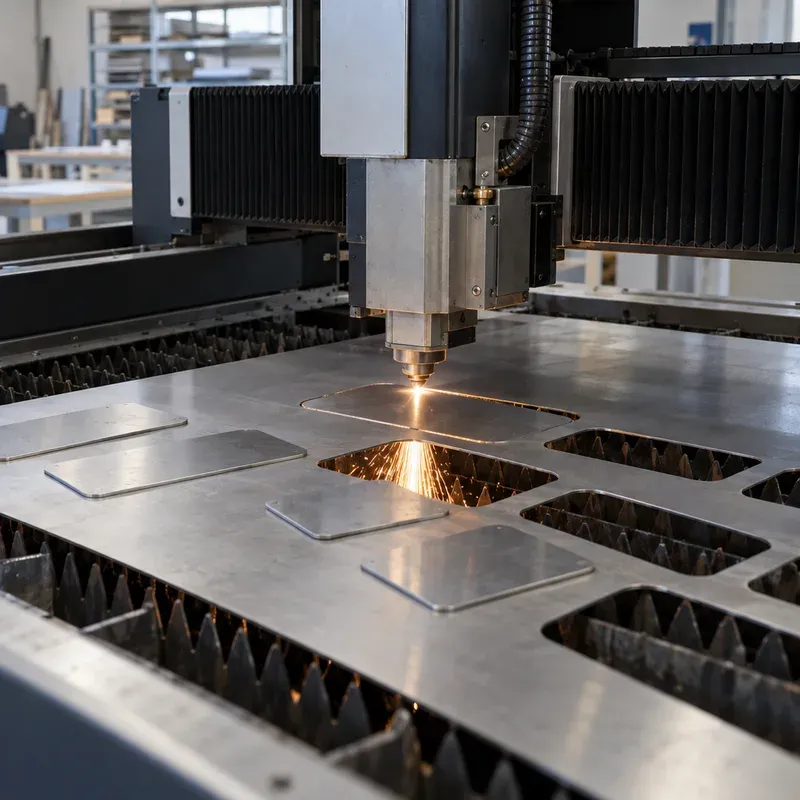
We mark metals using a laser technique. Markings on stainless steel are black as standard; marking in colour is also possible. We cut plates to size to your drawing. How to supply that drawing is explained in the guide Supplying files.
Frequently asked questions
Which material is best for outdoor use?
For an outdoor plate, stainless steel is the usual choice. State your application in the request and we will advise you.
What is patina on brass and copper?
It is the layer that forms on the metal over time when it is exposed to the air. Copper first turns brown and may later turn green. Brass becomes duller and changes colour through greenish brown to dark brown. If you do not want that, discuss it with us.
Which thickness can I choose?
That differs per product. For SKID plates it is 1.5 mm and for steel to size 1 or 1.5 mm. For other plates you state the thickness you need in your request.
Questions about this text? Email info@kuyper-graveertechniek.com or call 010 216 2344.