The three types of code
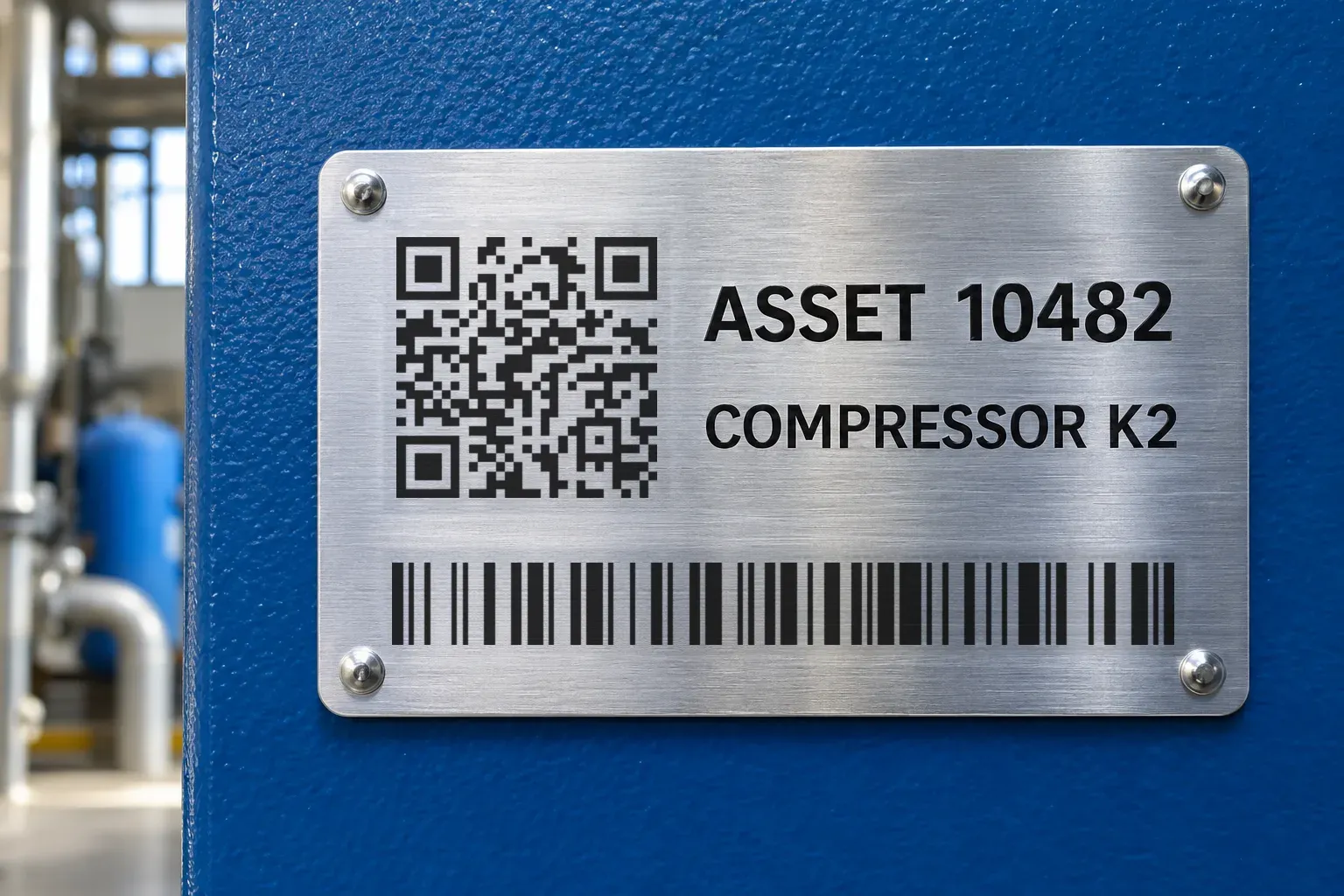
- QR code. A two-dimensional code. The specification is ISO/IEC 18004; the 2015 edition has been withdrawn and replaced by the 2024 edition. There are four levels of error correction: L, M, Q and H.
- Data Matrix. Also two-dimensional, and mainly used on small surfaces. The specification is ISO/IEC 16022 (2024 edition). That standard applies to Data Matrix symbols produced using any printing or marking technique.
- Barcode (linear). A row of bars representing a number. Suitable for a short number, rather than large amounts of data.
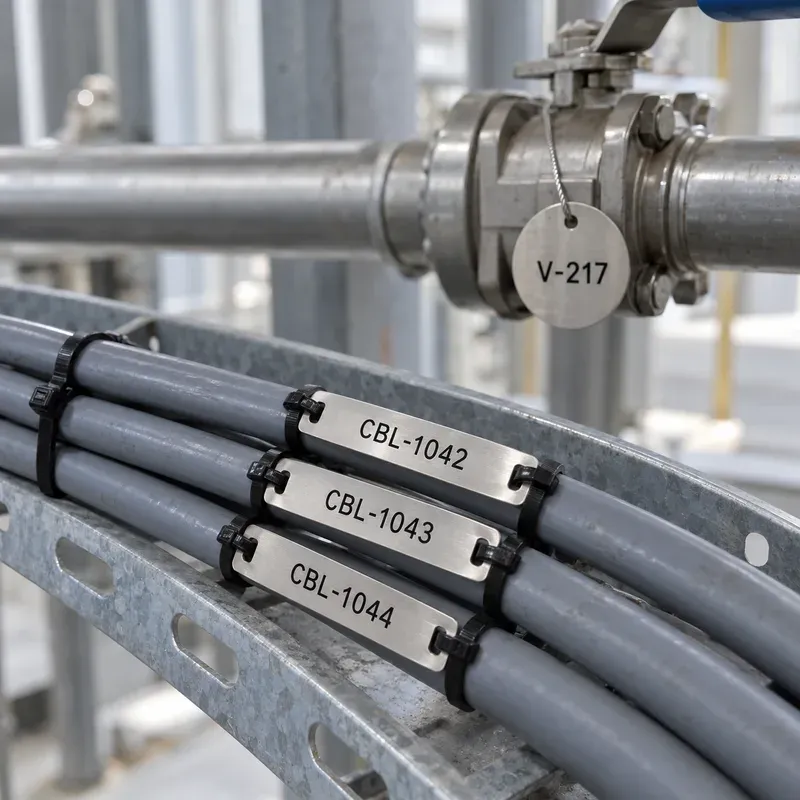
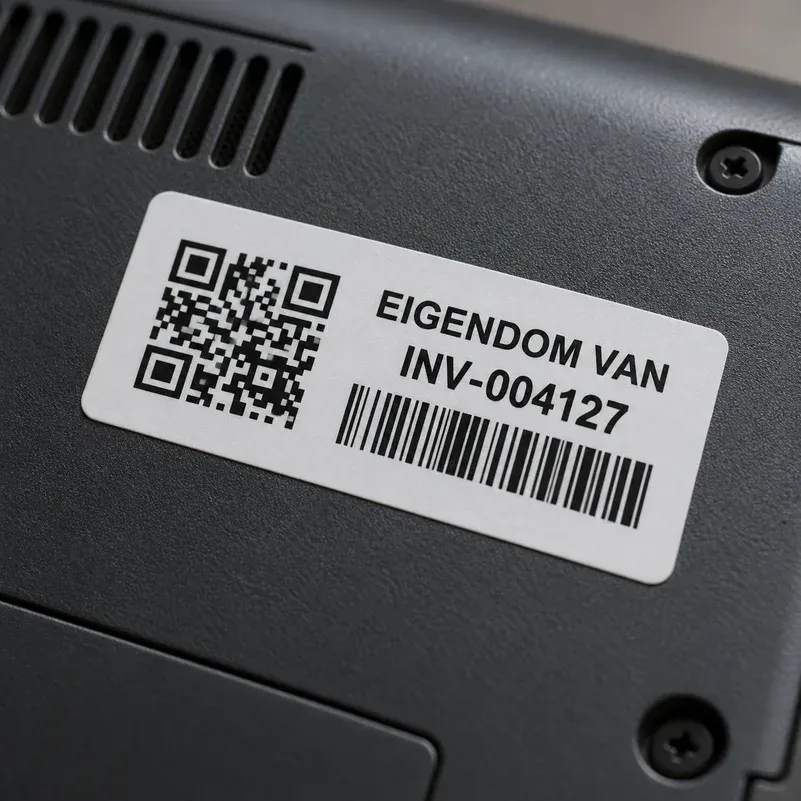
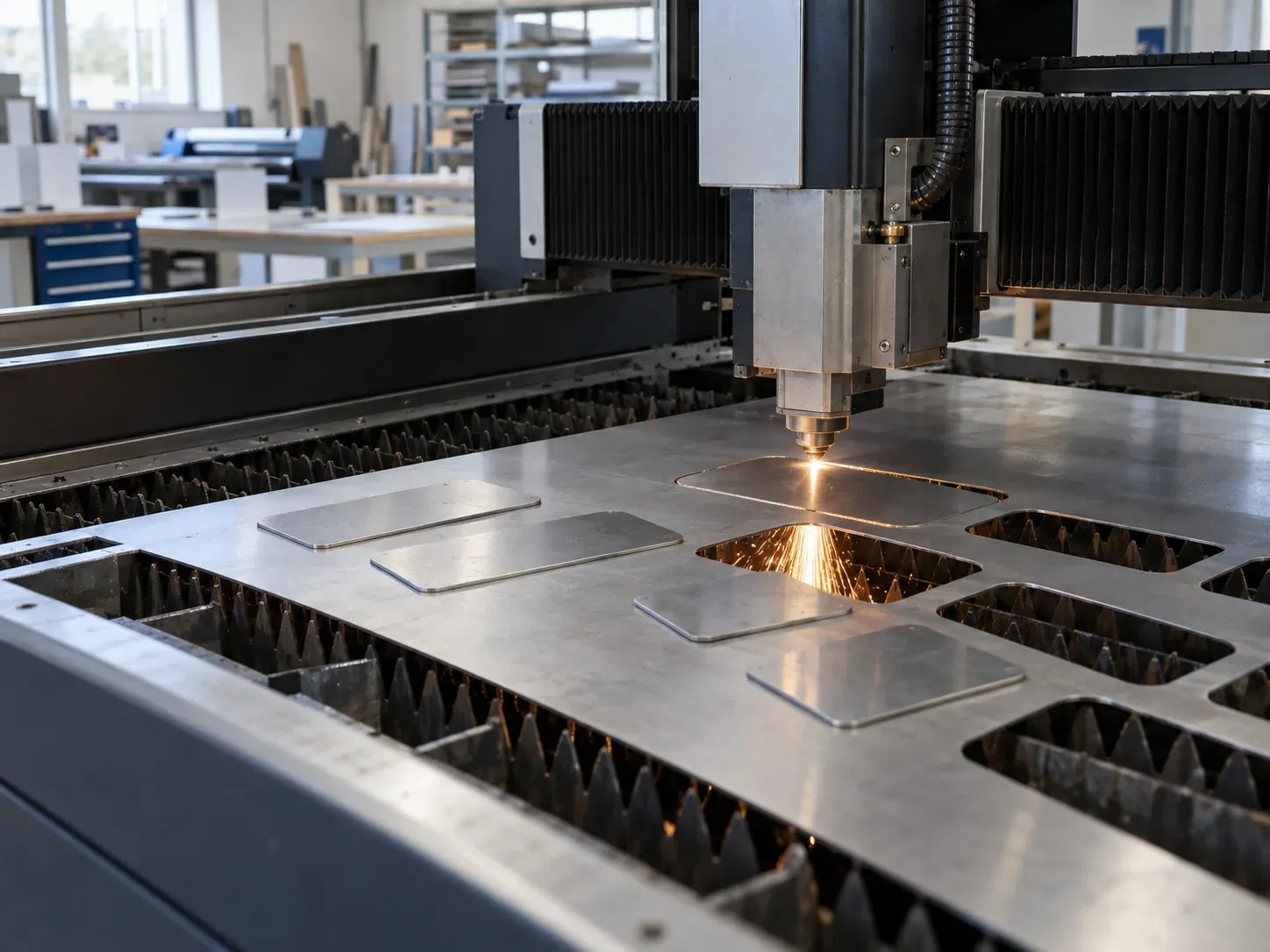
We can mark text, continuous numbering, barcodes, QR codes and Data Matrix codes on cable markers and tags. Identification plates for control cabinets and type plates can also carry a QR code. We supply inventory stickers with a QR code, barcode or just a sequence number.
What should you consider?
A few practical tips:
- Keep the code simple. Less data means larger modules and easier scanning. Put a short number or short link in the code and keep the rest in your system.
- Use a stable reference. A link that stops working in two years makes every code already applied worthless. Use a reference you control.
- Leave a clear margin. Leave space around the code without text or images. Avoid placing it right against the edge of the plate or other text.
- Add readable text alongside it. Keep the number in text beside the code, so it can be typed in if the code is damaged or unreadable.
- Test a proof. Scan the code on the proof or production drawing and on the first item using the scanner or app you will actually use.
On a type plate
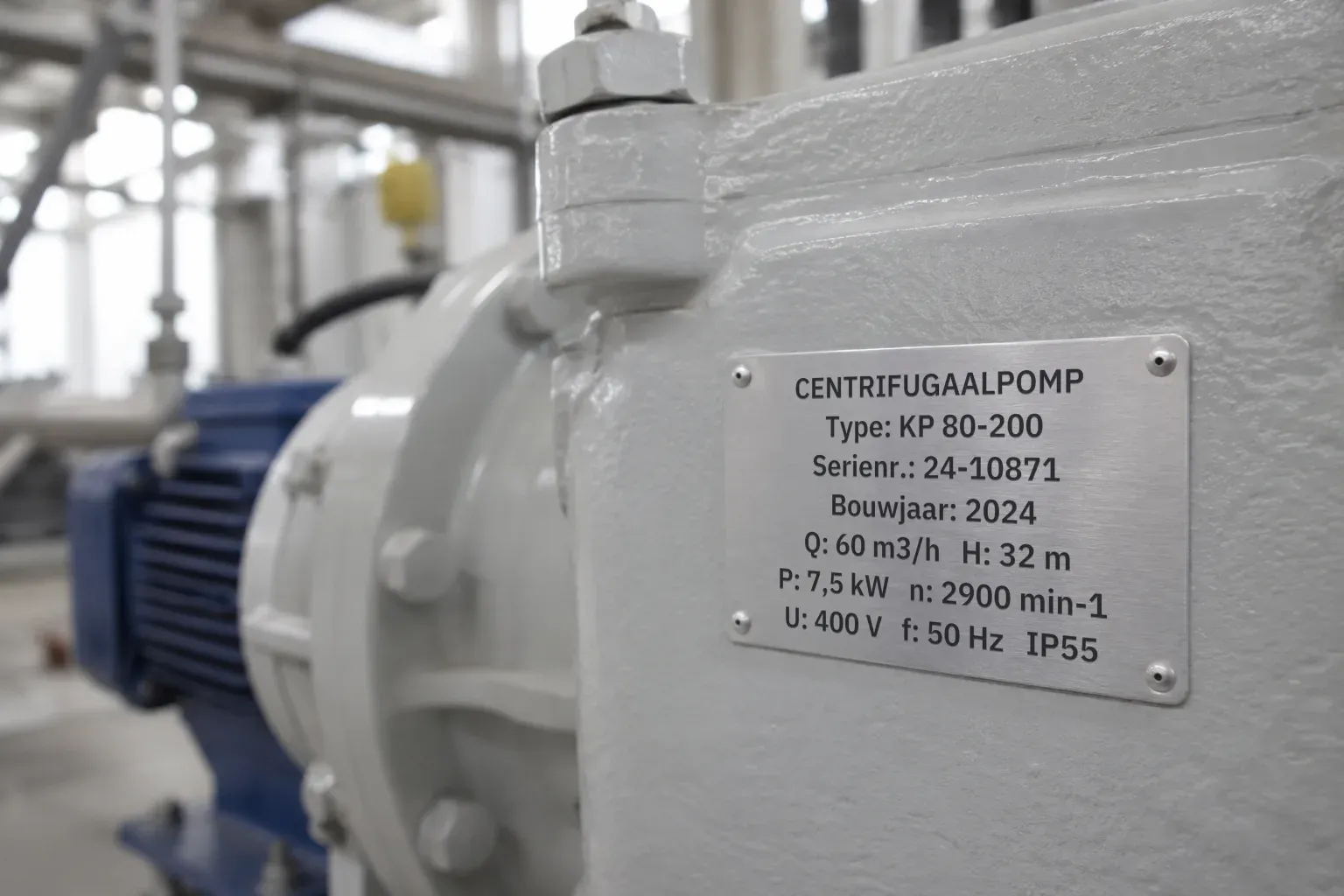
We can add a QR code to a type plate as a supplement. The information required for a machine always remains on the plate as text; a QR code never takes its place.
The rules specify marking requirements. The Machinery Directive (2006/42/EC, Annex I, point 1.7.3) requires machinery to be marked visibly, legibly and indelibly with details including the manufacturer’s name and full address, the machinery designation, CE marking, series or type, serial number and year of construction. The Machinery Regulation ((EU) 2023/1230, applicable from 20 January 2027) also specifies a website, email address or other digital contact details (Article 10(6)) and allows instructions to be supplied digitally; at purchase, users can request a paper copy, which the manufacturer must then provide free of charge within one month. A QR code is suitable as a link to the digital manual or maintenance record, alongside the text.
On an inventory sticker
For inventory stickers, choose standard or destructible vinyl. According to the product sheet, destructible vinyl becomes tamper-resistant approximately twenty minutes after application and the film breaks if someone tries to remove it. That is useful when a label must not be moved from one device to another unnoticed. It is not a seal. Also read Inventory stickers and tamper-resistant stickers.
What about RFID?
We make RFID and QR labels for identification. An RFID label is a sticker with an embedded chip (an inlay). A metal surface needs a special on-metal label, available on request. Tell us which data or reference you want to use, where the label will go (the surface material) and which reading system you have; we will discuss the version for your application.
Frequently asked questions
Will an engraved or laser-marked QR code on stainless steel always scan?
Not always. It depends on the code, its size, the contrast and the scanner. Always test a proof.
Can I have a QR code and a serial number on the same plate?
Yes, including on a type plate, alongside the mandatory information in text. Specify the number or series and tell us whether the code contains the same number. See Number series and serial numbers.
What is the difference between QR and Data Matrix?
Both are two-dimensional codes with built-in error correction. Your choice often depends on what your scanner or software supports. Check before ordering.
Can you generate the code?
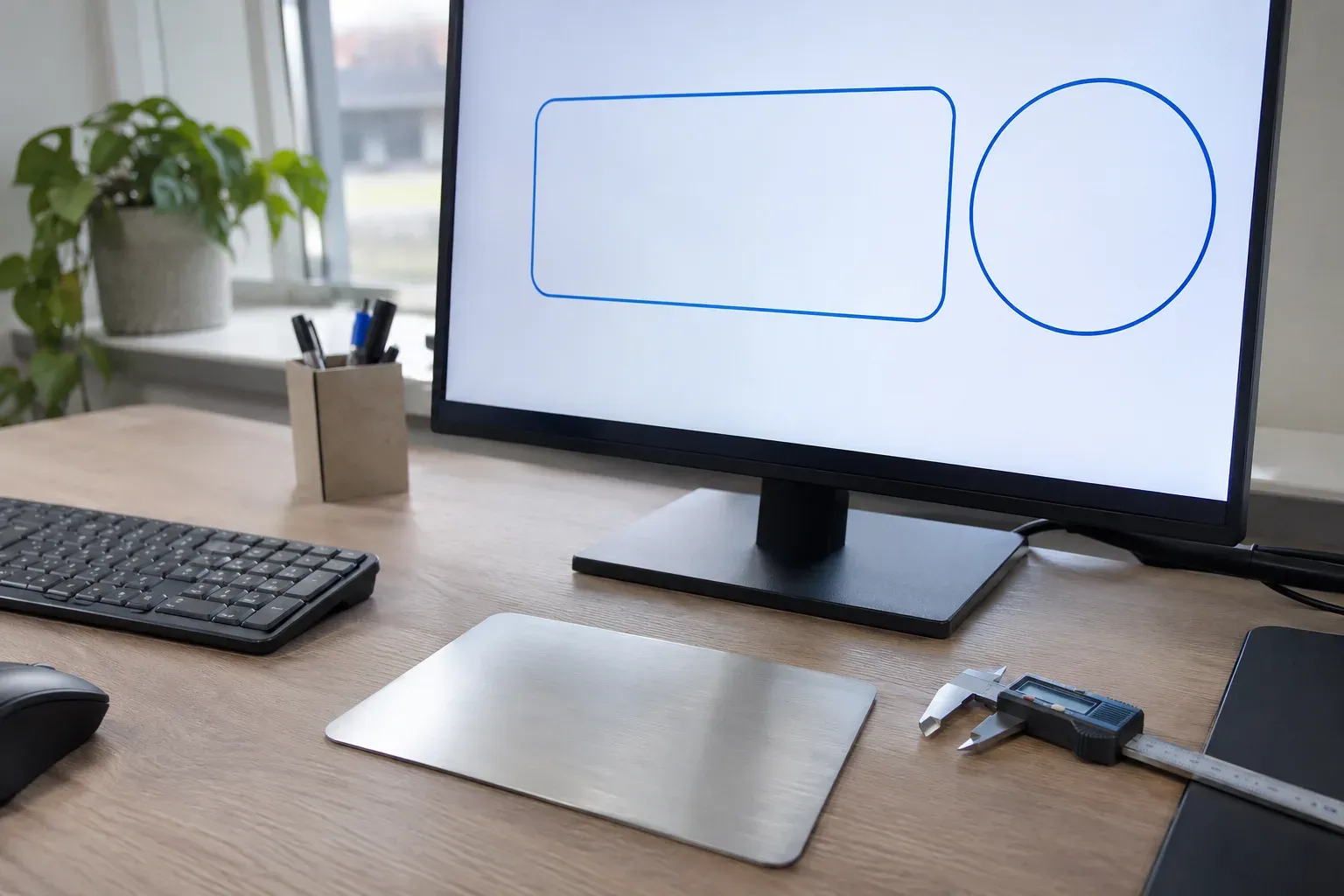
Specify the content and we will generate the code.
Questions about this text? Email info@kuyper-graveertechniek.com or call 010 216 2344.